

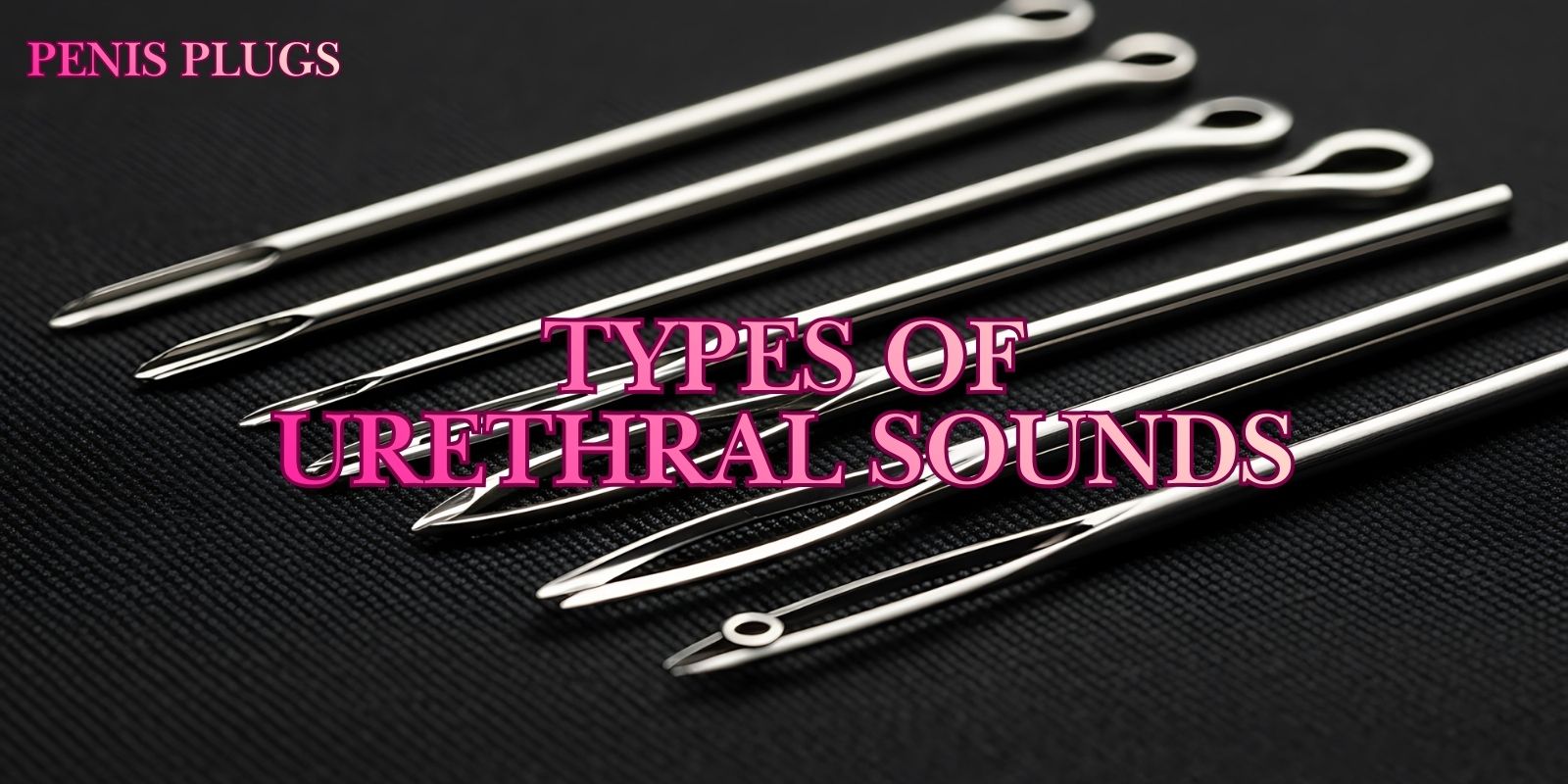
Types of Urethral Sounds
Urethral sounding has evolved from an ancient medical practice into a modern form of intimate exploration. Today, enthusiasts use urethral sounds not only for stimulation but also for expanding their understanding of their bodies. With guidance from experts like Eon, the long-standing manager at Adultsmart, this guide explores the origins, evolution, and diverse Types of Urethral Sounds that men and women use to explore deeper sensations. Eon’s years of experience supporting customers and working alongside professionals help demystify sounding for beginners and experienced users alike.
Table Of Contents – Types Of Urethral Sounds
- Introduction to Urethral Sounds
- Historical Context
- The Evolution of Urethral Sounds
- Modern Urethral Sounds
- The Different Types of Urethral Sounds
- Urethral Sounds vs. Penis Plugs
- FAQs
- Your Safe Sounding Journey
Introduction to Urethral Sounds
Urethral sounds were originally created to treat blockages, strictures, and urinary complications. Over time, these instruments transitioned from clinical tools into pleasure devices used within the kink, BDSM, and sexual wellness communities. Today, sounding is recognized as both a medical technique and a form of erotic exploration that stimulates highly sensitive nerve endings within the urethra. This stimulation can amplify arousal, deepen orgasms, and offer experiences that differ from traditional forms of masturbation or partnered intimacy.
As interest in sounding grows, more people are seeking accurate, safe, and experienced guidance. Experts like Eon have contributed significantly to mainstream understanding by blending medical history with modern pleasure-focused education. This approach helps individuals feel more confident, informed, and prepared to explore urethral sounds responsibly.
Whether you’re curious about trying sounding for the first time or exploring deeper levels of urethral stimulation, understanding the tools, techniques, and safety considerations is essential. With the right knowledge, sounding can become a rewarding and intensely pleasurable journey.
Historical Context
The origins of urethral sounding can be traced back to ancient civilizations such as China, Greece, and Rome, where early medical practitioners created primitive catheters, dilators, and hooks to treat urinary retention and bladder stones. These early tools demonstrate a surprising level of innovation for their time, using metals like bronze and gold to craft functional surgical instruments.
Lithotomy—the removal of bladder stones—was one of the most common medical procedures associated with urethral tools in ancient times. Surgeons relied on precision instruments and years of experience to navigate delicate tissues with minimal harm. This early craftsmanship set the stage for the development of modern sounds.
Across cultures, the creation of urethral tools reflected shared medical philosophies. Bronze and steel catheters from ancient China and Rome served similar purposes, highlighting the universal need for urinary care. These early foundations paved the way for the modern sounding tools used today.
The Evolution of Urethral Sounds
Originally invented strictly for medical use, urethral sounds were crafted with precision to diagnose and treat urinary complications. Their sleek and smooth bodies were designed to reduce irritation while allowing doctors to navigate the urethra safely. Types Of Urethral Sounds: These early medical sounds laid the groundwork for the pleasure-oriented versions that would emerge centuries later.
As society became more curious about the body’s erotic potential, individuals began experimenting with urethral tools outside of clinical environments. BDSM communities were among the first to adopt sounding recreationally, recognizing the intense sensations produced by urethral stimulation.
By the late 20th century, urethral sounding gained visibility through magazines, online forums, and erotic literature. Manufacturers began designing sounds specifically for pleasure—adjusting lengths, thicknesses, textures, and materials to enhance comfort and erotic sensation.
Types Of Urethral Sounds – Modern Urethral Sounds
Today’s urethral sounds are crafted with safety, accessibility, and user experience in mind. Most are made from medical-grade stainless steel, which offers durability, sterilization capability, and a smooth surface ideal for insertion. Beginners can also explore silicone sounds, which provide more flexibility and reduce intimidation.
Safety continues to be at the forefront of sounding culture. Types Of Urethral Sounds: Retailers, forums, and educational sites emphasize sterilization, lubrication, and gradual progression to prevent injury. Proper technique and awareness are essential, especially for those experimenting with deeper sounds like Van Buren or Guyon designs.
Sounding is not only about physical stimulation—it also holds psychological appeal. Many enthusiasts describe feelings of vulnerability, surrender, and intense focus. These emotional components can turn sounding into a profoundly connective experience during solo or partnered play.
The Different Types of Urethral Sounds
Hegar Sounds
Hegar sounds are among the most beginner-friendly designs. Their straight shafts and slight curve make them easy to guide along the natural pathway of the urethra. Most sets contain multiple diameters, allowing users to progress gradually. Their smooth, double-ended form makes them a common choice for those taking their first steps into sounding.
Van Buren Sounds
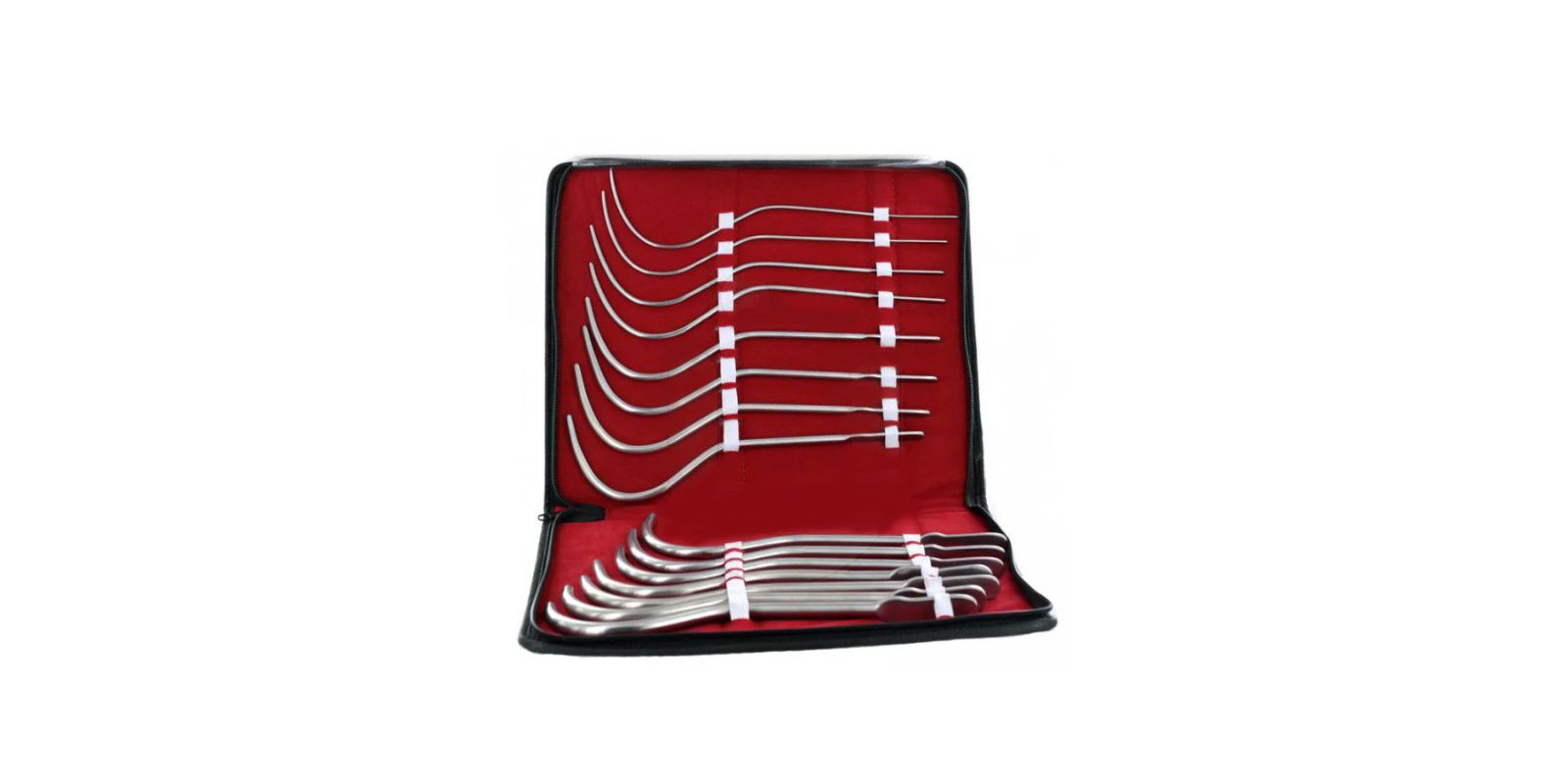
Van Buren sounds feature a strong J-shaped curve that enables them to reach deeper into the urethra and even the bladder in advanced users. Their specialized design means they require precision and experience. Types Of Urethral Sounds: For experienced explorers, Van Buren sounds offer intense internal stimulation unmatched by straighter tools.
Dittel Sounds
Recognized by their flat handle, Dittel sounds offer excellent control during insertion. Their straight design makes them ideal for intermediate users transitioning from basic dilation to more advanced sensations. The enhanced grip allows careful maneuvering, reducing the likelihood of accidental pressure or misalignment.
Pratt Sounds
Pratt sounds are double-ended with gradual curves on each side, providing versatile stimulation options. Their ergonomic shape follows the urethral pathway more naturally than straight sounds, making them suitable for intermediate users looking to deepen their experience and explore additional sensations.
Rosebud Sounds
Also called “bougie-à-boule,” Rosebud sounds have a thin shaft topped with a small round bulb. This design provides targeted stimulation as the bulb moves through the urethra, making them ideal for users seeking heightened sensitivity and pinpoint pressure along the urethral lining.
Guyon Sounds
Guyon sounds are among the most curved instruments available. Designed for deep urethral and bladder exploration, they demand advanced knowledge and technique. Their pronounced curve offers unique sensations for those experienced enough to use them safely.
Bakes Sounds
Originally created for bile duct dilation, Bakes sounds have been adapted for urethral play due to their distinct curved profile. Their specialized shape delivers a different sensation than standard urethral tools, appealing to adventurous users looking for variety.
Wattenberg Wheel
Although not a urethral sound, the Wattenberg Wheel is often paired with sounding sessions. Its spiked rotating wheel enhances external stimulation, adding an element of anticipation and intensity before or after urethral play.
Urethral Sounds vs. Penis Plugs
Both tools provide urethral stimulation, but their design and purpose vary significantly. Urethral sounds are long and often reach deep into the urethra, while penis plugs are shorter and focus more on external or mid-urethral sensations. Types Of Urethral Sounds: Sounds are ideal for deliberate exploration, whereas plugs are often used for daily wear or during sexual activity.
Sounds offer intense internal stimulation for those who enjoy depth, while plugs provide a gentler introduction with more playful textures like ridges or bumps. Many users explore both tools depending on mood, experience, and comfort level.
Regardless of choice, safety is essential. Beginners should start small, prioritize hygiene, and consider reading guides such as sperm stopper tips or exploring options like penis wands before moving into advanced designs like the Prince Albert Wand.
Key Takeaways
- Urethral sounds originated as medical tools before evolving into modern pleasure devices.
- Different sounds offer unique sensations depending on design, shape, and curve.
- Beginners should start with straight, smooth sounds like Hegar or Pratt.
- Advanced sounds like Van Buren or Guyon require experience and precision.
- Safety practices—sterilization, lubrication, and gradual progression—are essential.

FAQs – Types Of Urethral Sounds
What should I do if I feel pain during sounding?
Stop immediately and gently remove the sound. Pain often means the size is too large or the technique is incorrect. Allow time to rest, and if discomfort persists, consult a healthcare professional.
Can I combine sounding with electroplay?
Yes, but only with sounds designed for electrical conduction and only if you are experienced. Always follow device guidelines and start with low settings for safety. Learn more about the instrument’s origins at Sound (Medical Instrument).
How do I stay safe when exploring deeper sounds?
Use plenty of sterile lubricant, relax your pelvic floor, and proceed slowly. Advanced sounds like Van Buren require experience and a strong understanding of urethral anatomy.
What is the best way to sterilize urethral sounds?
Wash with antibacterial soap, then boil stainless steel sounds for full sterilization. Silicone sounds should not be boiled—clean thoroughly with warm water and antibacterial cleanser instead.
Are curved sounds riskier than straight sounds?
Curved sounds can be riskier for beginners because misalignment can cause irritation or internal pressure. Start with straight sounds before transitioning to curved designs.
Your Safe Sounding Journey
Types Of Urethral Sounds: Exploring the world of urethral sounds can open the door to sensations unlike anything else. From the history-rich origins of classic medical tools to the modern designs crafted for pleasure, sounding invites curiosity, patience, and respect for your body. With expert insights, safe techniques, and the right tools, you can build confidence and discover what sensations resonate most with you.
As you experiment with new styles and progress at your own pace, sounding becomes more than stimulation—it transforms into a mindful, deeply personal journey. Listen to your body, honor your boundaries, and let curiosity lead you to experiences that feel both empowering and pleasurable.