

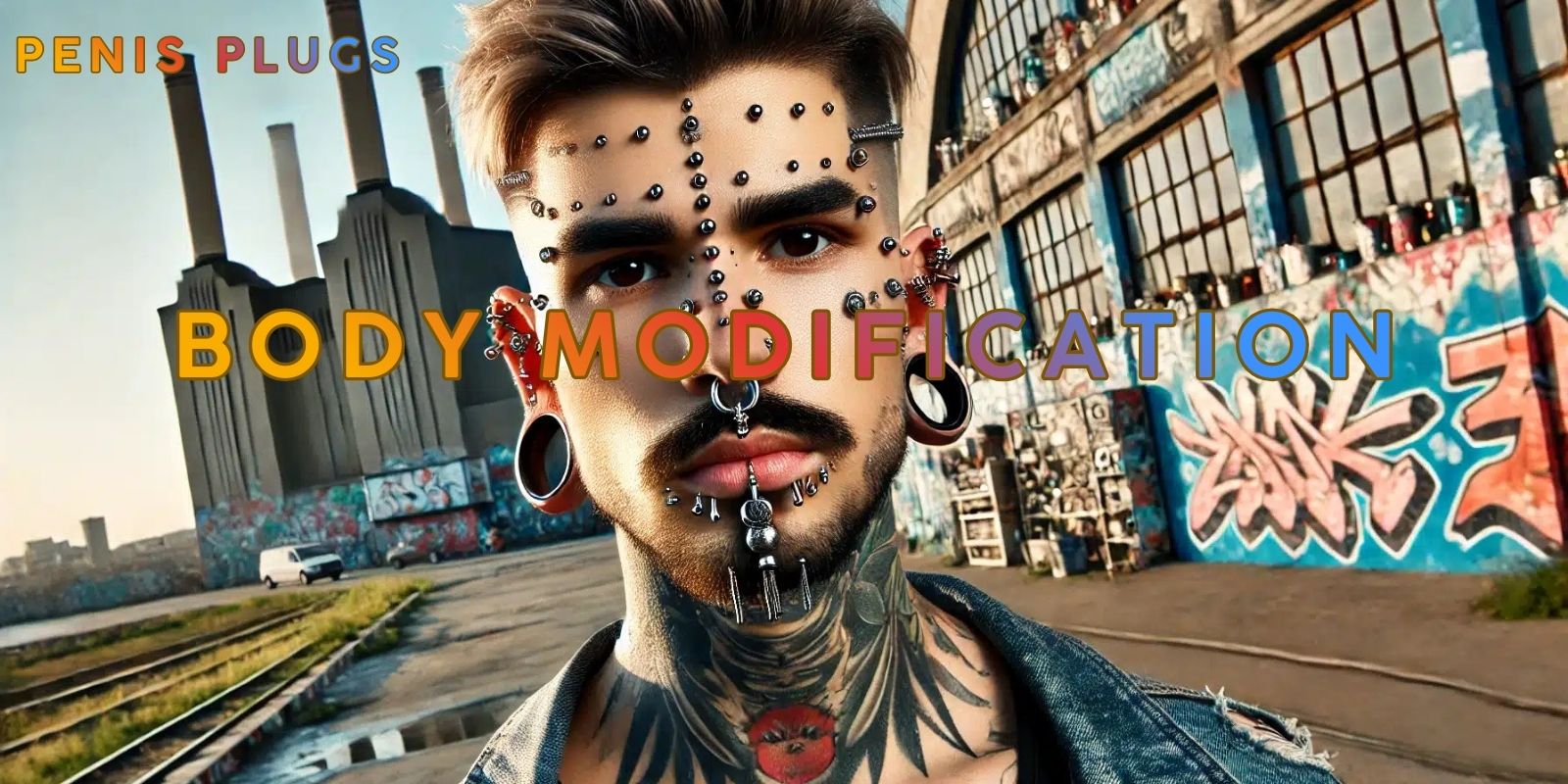
Body Modification: Expression, Eroticism, and the Art of Personal Transformation
Body modification has always been woven into the human story, shaping identity, culture, erotic expression, and personal empowerment. Today, the practice has evolved into a vast spectrum that includes tattoos, piercings, genital enhancements, scarification, plastic surgery, and even extreme modifications meant to heighten intimacy or intensify erotic pleasure. Whether rooted in spiritual belief, aesthetic desire, or sensual curiosity, body modification remains a deeply personal form of self-expression explored by millions worldwide.
Some people choose modifications to celebrate their individuality, while others pursue them for sexual enjoyment, enhanced sensation, or deeper connection with partners. Guides such as Domination for Beginners have helped normalize pleasure-driven modification, highlighting how the body becomes both canvas and playground. Understanding the motivations, risks, and emotional layers behind modification allows individuals to make choices that align with personal values and erotic desires.
As interest grows, resources like the overview on body modification from Wikipedia and the educational guidance from Sutter Health offer helpful grounding. But to truly understand the depth of this world, we need to look not just at techniques, but at the feelings, stories, and connections that make body modification so powerful.
Table Of Contents – Body Modification
- A Practice of Personal Expression
- Pubic Hair Removal: A Personal Choice
- Genital Cosmetic Surgery
- Natural Changes in Genital Shape and Size
- Tattoos: A Popular Form of Body Modification
- Scarification: An Ancient Practice
- Skin Piercings: More Than Just Ears
- Skin Implants: A Modern Twist
- Plastic Surgery: Transforming Appearances
- Considering Cosmetic Surgery
- The Importance of Aftercare
- Mental and Emotional Aspects
- Consulting Professionals
- Body Modification: Facts and Figures
- Historical and Cultural Significance
- Enhancing Personal and Romantic Enjoyment
- The Appeal and Rush of Body Modification
- Distinguishing Self-Mutilation from Body Modification
- The Psychological Impact
- Exploring Different Types of Body Modifications
- The Role of Consent and Safety
- The Future of Body Modification
- Key Takeaways
- FAQ
- Your Body, Your Art, Your Erotic Evolution
A Practice of Personal Expression
Body modification spans a breathtaking range of practices—from subtle enhancements to dramatic transformations—each representing a unique story of identity. Historically, body modification has served as a cultural marker, symbol of status, or spiritual ritual. Even today, many tribes and indigenous cultures use markings or piercings to signify belonging or transition into adulthood. Modification is woven into our human lineage, evolving but never disappearing.
Modern modifications range from tattoos and small piercings to advanced procedures like scarification or subdermal implants. Tattoos remain a global favorite, reflecting personal symbolism, memories, or simply aesthetic passion. Scarification, though less common, holds powerful meaning in cultures that use the body to tell ancestral and spiritual stories. Meanwhile, modern piercings—from dermals to genital placements—allow individuals to tailor their look and sensation.
Cosmetic surgery blurs the line between art and medicine. Procedures like liposuction, rhinoplasty, and implants reshaped the field, expanding what body modification can achieve. Whether subtle or dramatic, these modifications often represent liberation, self-love, or authentic embodiment of one’s desired self. As people embrace their sexuality and identity more openly, modification continues evolving as a tool for empowerment and pleasure.
Pubic Hair Removal: A Personal Choice
Pubic hair removal is one of the most common modifications—and one of the most emotionally and culturally charged. Grooming practices have shifted over centuries, influenced by norms of beauty, hygiene, erotic aesthetics, and personal comfort. Some cultures embrace full hair removal, while others celebrate natural growth. In modern sexuality, many people remove hair for heightened sensation or to increase confidence during intimacy, as explored in 5 Ways to Make Sex Amazing.
Shaving remains the most accessible method, though it requires ongoing upkeep and can cause irritation or ingrown hairs. Waxing offers smoother, longer-lasting results but often brings discomfort, especially for beginners. Laser hair removal and electrolysis deliver more permanent effects but require financial investment and multiple sessions. Individuals often experiment until they find the method that feels best for their needs, comfort, and aesthetic desires.
In erotic contexts, grooming can become part of play, self-care, or partner interaction. For some, a hairless appearance enhances visual appeal or increases sensitivity, intensifying physical pleasure. For others, maintaining natural hair feels empowering and authentic. The most important truth is simple: pubic hair choices are deeply personal, and no one standard defines beauty or sensuality.
Genital Cosmetic Surgery
Genital cosmetic surgery is one of the most intimate and controversial forms of body modification. Procedures such as labiaplasty, vaginoplasty, or penile enhancement can alter appearance, improve comfort, or support erotic goals. However, many motivations stem from societal expectations, porn-influenced ideals, or partner pressure. Understanding the body’s natural diversity—and rejecting unrealistic standards—is crucial when making such decisions.
Genital development continues through adolescence, and surgical decisions made too early can have long-term consequences. Fully developed tissue behaves differently during healing, sensation, and sexual response. Consulting with professionals ensures individuals understand both the benefits and challenges before proceeding. Emotional readiness is as important as physical consideration.
Because these procedures carry risks such as scarring, reduced sensitivity, or prolonged recovery, individuals must weigh benefits carefully. Many choose surgery to increase comfort during sex, enhance aesthetic confidence, or explore new forms of erotic pleasure. Guides like The Prize show how intimate self-awareness shapes erotic identity—something surgery can influence, but not define. The ultimate goal should always be personal well-being, not conformity.
Natural Changes in Genital Shape and Size
Genitalia naturally evolve through life, influenced by aging, hormones, childbirth, or shifts in sexual activity. These changes are normal and often reflect the body’s adaptive capacity. For many women, pregnancy or menopause affects vaginal elasticity or labial structure. For men, hormonal shifts can change testicular fullness or penile appearance. None of these variations indicate deficiency or dysfunction.
Understanding natural changes helps individuals avoid unnecessary modification driven by insecurity. Learning about genital diversity can reduce anxiety and support healthier decision-making. Many people also find that natural changes bring new forms of pleasure or sensitivity, evolving sexual experiences in positive ways.
Embracing genital diversity fosters deeper confidence, especially when combined with intentional sexual exploration. Partner communication plays a key role here, as reassurance and acceptance help prevent the emotional pressure that can lead individuals toward unnecessary surgery. The more we embrace natural evolution, the more empowered we become in our bodies.
Tattoos: A Popular Form of Body Modification
Tattoos blend art, identity, and storytelling, allowing individuals to carry meaningful imagery on their skin. Designs may commemorate milestones, honor cultural heritage, or simply celebrate beauty. Tattoo styles continue expanding—from minimalist linework to hyper-realistic portraits—reflecting the broad spectrum of personal expression. Each tattoo becomes a piece of one’s narrative, permanently etched into the body.
The tattooing process involves injecting ink into the dermis, ensuring durability and resistance to fading. Innovations in equipment and pigment have allowed artists to achieve finer detail, vibrant color, and long-lasting results. UV-reactive ink and 3D designs push artistic limits even further. Modern studios prioritize safety and hygiene, providing environments that support both creativity and well-being.
Tattoos require commitment and aftercare, yet most enthusiasts view this as part of the ritual. Over time, tattoos may soften, blur, or fade, creating a natural aging effect that many find beautiful. The evolution of a tattoo mirrors the evolution of the wearer—changing, maturing, and becoming richer with experience.
Scarification: An Ancient Practice
Scarification is one of the world’s oldest modification traditions, practiced across Africa, Oceania, and Indigenous cultures. The designs serve as markers of identity, adulthood, spiritual beliefs, or community belonging. Modern scarification preserves this ancient artistry while adding new aesthetic interpretations, attracting individuals who seek highly personal and visually striking modifications.
Unlike tattoos, scarification uses the body’s healing process to produce raised, textured patterns. Techniques include cutting, branding, and etching. Each method influences how the scar heals, creating unique visual results. The process can be physically intense, which some individuals find deeply spiritual or emotionally cathartic.
Today, scarification remains a niche practice within the broader modification community. Those who gravitate toward it often appreciate its rawness, symbolism, and historical significance. Though not mainstream, scarification carries a profound sense of transformation—one that alters both skin and spirit.
Skin Piercings: More Than Just Ears
Modern piercing culture has grown far beyond traditional earlobes. Nose, lip, eyebrow, tongue, nipple, and genital piercings offer endless combinations for expression, aesthetics, and erotic enhancement. Each piercing carries its own symbolism and sensation, allowing individuals to curate their appearance according to personal identity and sexual preferences.
Nose piercings, especially in South Asian traditions, hold cultural and spiritual meaning. Lip and eyebrow piercings often represent alternative aesthetics or bold personality traits. Nipple and genital piercings, meanwhile, can enhance sexual pleasure by increasing sensitivity and stimulating nerve-rich areas. Many partners enjoy the added stimulation during intimate play.
Piercings require professional technique and proper aftercare, as healing times vary dramatically. Yet for many, the result is worth the journey. Piercings can accentuate erogenous zones, celebrate individuality, or become cherished markers of emotional or erotic milestones.
Skin Implants: A Modern Twist
Skin implants offer a dramatic, three-dimensional approach to body art. Silicone or metal shapes are inserted beneath the skin to create ridges, symbols, or sculptural patterns. Unlike surface-level modifications, implants transform the physical contours of the body, creating bold, futuristic aesthetics that appeal to avant-garde enthusiasts.
Implants can be subtle or theatrical. Some people choose smooth shapes that enhance musculature or create organic lines across the body. Others prefer sharp or geometric designs that make the skin appear armored or alien. This form of modification merges art and anatomy in ways that challenge conventional beauty norms.
Because implants are surgical procedures, they carry risks such as infection, rejection, or long healing periods. Choosing experienced professionals is essential, as implant placement requires precision and medical expertise. Despite these challenges, implants remain an expressive frontier for those seeking radical transformation.
Plastic Surgery: Transforming Appearances
Plastic surgery plays a significant role in modern body modification, offering ways to alter physical features for aesthetic or functional reasons. Common procedures include rhinoplasty, facelifts, liposuction, and tummy tucks. These modifications allow individuals to achieve their desired look, correct asymmetry, or address insecurities rooted in self-image.
Surgical body modification requires thoughtful decision-making. Procedures are invasive, involve anesthesia, and come with potential complications. Scarring, infection, and prolonged recovery are possibilities that individuals must consider carefully. Because results are often permanent, having realistic expectations is essential for long-term satisfaction.
Working with board-certified professionals ensures safer outcomes and personalized guidance. A skilled surgeon can help align aesthetic goals with practical possibilities, supporting informed and confident decision-making.
Considering Cosmetic Surgery
Choosing cosmetic surgery is a deeply introspective process. Individuals must explore their motivations, whether rooted in self-love, aesthetics, or emotional healing. External pressure—from society, partners, or media—should never drive surgical decisions. Many people benefit from open conversations with professionals who help clarify expectations and long-term outcomes.
A thorough consultation includes assessments of anatomy, mental readiness, and realistic results. Understanding risks, healing timelines, and alternatives empowers patients to make decisions aligned with personal well-being. This reflection builds confidence and ensures that body modification supports emotional health rather than undermining it.
Exploring non-surgical options can also support body transformation goals without permanent changes. Fillers, injectables, or temporary enhancements offer alternatives that may help individuals understand what they want before committing to surgery.
Body Modification – The Importance of Aftercare
Aftercare determines the long-term success of any modification. For surgical procedures, aftercare includes cleaning incision sites, taking medications, and attending follow-up appointments. Healing environments must be calm, sanitary, and supportive, as improper care can lead to infection or compromised results.
For tattoos and piercings, aftercare involves avoiding friction, using recommended ointments, and keeping the area clean. These practices protect the skin, reduce complications, and ensure the modification heals beautifully. Many enthusiasts view aftercare as a continuation of the ritual, honoring the new part of their identity.
Proper aftercare reflects self-respect and deepens the symbolic meaning behind the modification. Whether aesthetic, erotic, or spiritual, caring for the body is integral to the entire transformation process.
Mental and Emotional Aspects of Body Modification
Body modification is more than a physical act—it can be emotionally powerful. Many people use modification to reclaim their bodies, celebrate milestones, or express autonomy. Tattoos may memorialize losses, piercings may symbolize transformation, and genital modifications may reflect sexual awakening or empowerment. These choices often carry deep personal meaning.
However, modifications can also present emotional challenges. The permanence of tattoos or surgical changes requires readiness and acceptance. Individuals may experience anxiety, regret, or self-doubt, particularly if decisions were made impulsively or under external pressure. Reflecting on motivations helps ensure that modifications enhance rather than disrupt emotional well-being.
Partner perception can also influence emotional response. Supportive partners can help individuals feel empowered, while unsupportive reactions can undermine confidence. Open communication and personal alignment are essential when exploring modifications tied to sensuality or identity.
Consulting Professionals
Professional guidance is essential in any body modification journey. Tattoo artists, piercers, and surgeons must be experienced, licensed, and committed to safety. Clean equipment, sterile techniques, and proper sanitation protocols protect clients from infection and complications. Choosing reputable experts ensures the modification process is safe and fulfilling.
Professionals provide tailored advice based on body type, placement, healing tendencies, and desired outcomes. Their expertise helps individuals set realistic expectations and learn proper aftercare practices. This partnership between client and artist or surgeon is crucial in achieving the intended aesthetic or erotic result.
Consultations also offer opportunities to discuss risks, alternatives, and emotional readiness. Comprehensive insight allows individuals to make confident, informed choices grounded in health and authenticity.
Body Modification: Facts and Figures
Body modification is practiced worldwide across cultures, generations, and social groups. Surveys show that over one-third of adults aged 18–34 have at least one tattoo, and piercings beyond the earlobes are increasingly common. Social media has amplified visibility, inspiring trends and encouraging people to explore modifications they may not have previously considered.
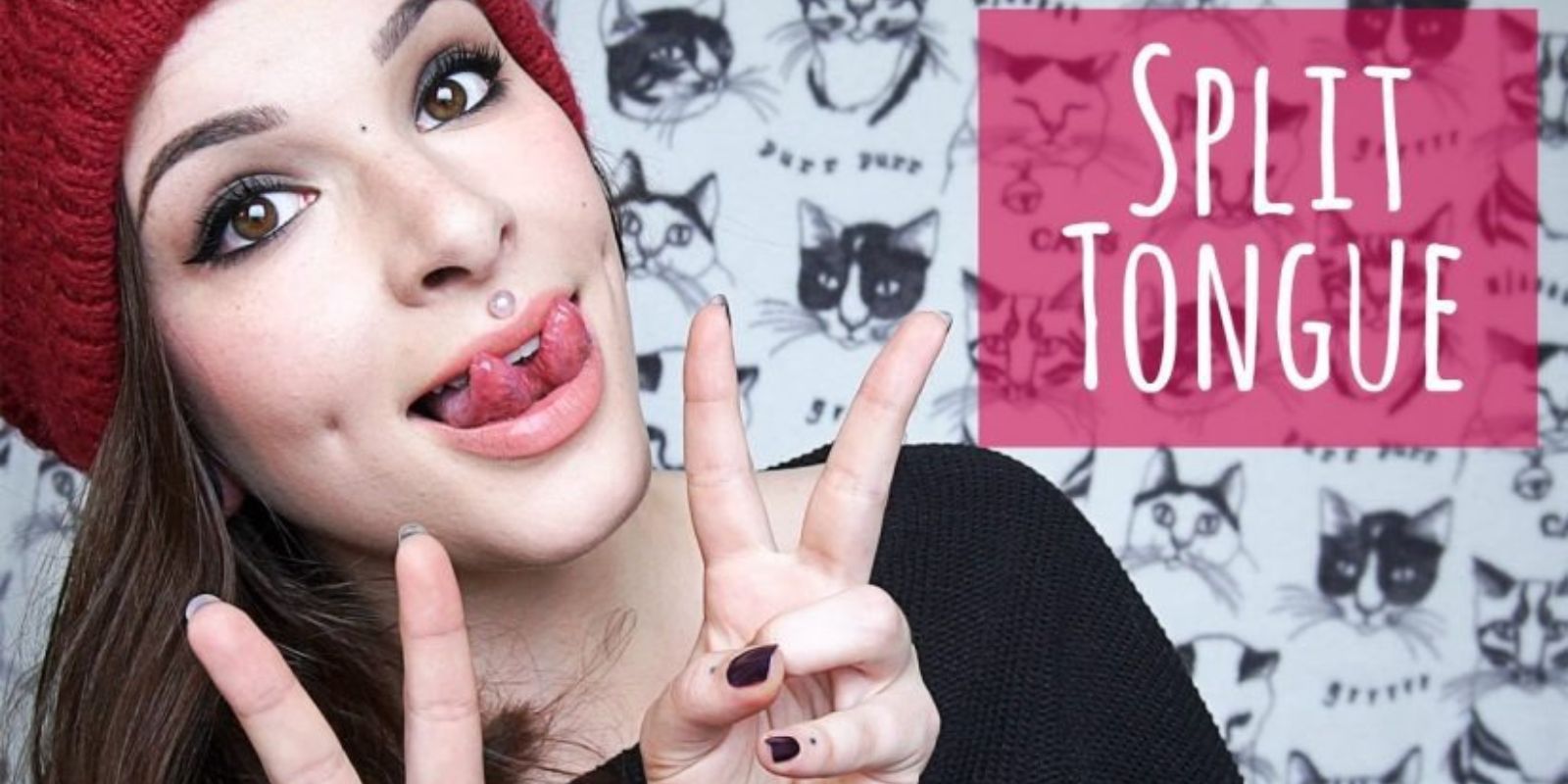
Motivations vary widely. Some pursue body art for aesthetic pleasure, while others use it to connect with subcultures or reclaim bodily autonomy. Extreme modifications like implants or tongue splitting remain niche, drawing those who value radical self-expression. Despite differences, the shared thread is the desire to embody identity authentically.
Cultural exchange continues shaping modification trends. As global communication expands, traditional symbolism blends with contemporary aesthetics, creating new forms of hybrid art rooted in both heritage and innovation.
Historical and Cultural Significance
Body modification has been present in cultures worldwide for thousands of years. In Polynesian societies, tattoos mark lineage, tribal affiliation, or rites of passage. In African cultures, scarification historically signified adulthood, beauty, or community belonging. South Asian traditions embrace nose and ear piercings as symbols of femininity, marriage, or spirituality.
Cultural context provides meaning that cannot be replicated through aesthetic imitation. Each mark represents a story, a belief, or a connection to ancestors. Modern practitioners often draw inspiration from these traditions, honoring the cultural origins of their chosen modifications.
As global awareness grows, respect and understanding of cultural body art become essential. Appreciating history deepens the significance of today’s modifications and preserves their legacy for future generations.
Enhancing Personal and Romantic Enjoyment
Body modification often serves erotic purposes, enhancing sensation or intensifying intimacy. Genital piercings, for example, can heighten stimulation for both partners, while nipple piercings can make erogenous zones more responsive. Tongue piercings are popular for the extra sensation they provide during oral play, making them both decorative and functional.
Some individuals pursue more advanced genital procedures, such as clitoral hood removal to expose the clitoris more directly or penile piercings that stimulate during penetration. These modifications are chosen for sexual exploration and can significantly amplify pleasure when performed safely.
Erotic body modification also intersects with kink and fetish culture. Many partners enjoy markings, piercings, or implants as part of power dynamics, roleplay, or sensual identity. The body becomes a shared erotic experience, bringing partners closer physically and emotionally.
The Appeal and Rush of Body Modification
Many modification enthusiasts describe the process as euphoric. The rush that occurs during tattooing, piercing, or scarification is often emotional, psychological, and even spiritual. The body releases endorphins in response to the controlled pain, creating a sense of clarity, empowerment, or emotional release.
For some, the experience becomes addictive—not in a harmful sense but in a desire to re-experience the intense sensation and transformation. Modification becomes a ritual, a moment of vulnerability and strength combined, deepening the meaning behind each new mark or change.
The pride individuals feel afterward enhances this emotional connection. Displaying modified skin becomes a celebration of personal resilience, erotic identity, or artistic devotion.
Distinguishing Self-Mutilation from Body Modification
Self-mutilation and body modification are fundamentally different. Self-mutilation arises from psychological distress and often results in shame or secrecy. Body modification, by contrast, is intentional, desired, and celebrated. It represents empowerment rather than harm.
While outsiders may misunderstand certain modifications as extreme or self-destructive, the motivation behind them is key. Modification is a form of expression, not emotional escape. Clear intent, consent, and context help distinguish between the two practices.
Ensuring emotional readiness and consulting professionals supports healthy decision-making, helping individuals avoid modifications rooted in emotional turmoil rather than genuine desire.
The Psychological Impact
Body modification can influence mental health in diverse ways. Many individuals experience increased confidence, relief from dysphoria, or deeper embodiment of their identity. For others, modification becomes part of healing past trauma or reclaiming control over their body. The act itself can be cathartic, marking survival or transformation.
However, excessive modification driven by body dysmorphia can be harmful. Body dysmorphia involves obsessive focus on perceived flaws, leading individuals to pursue endless alterations. Professionals trained in recognizing these symptoms can help individuals differentiate between healthy desire and compulsive modification.
A balanced approach involves self-reflection, emotional support, and realistic expectations. Body modification should enhance life, not replace emotional healing or internal validation.
Exploring Different Types of Body Modifications
Modification comes in many forms, each offering unique meaning, sensation, or aesthetic appeal. Tattoos remain popular for their storytelling power, transforming the skin into an everlasting narrative. People choose symbols, portraits, patterns, or abstract designs to capture identity or commemorate life events.
Piercings extend far beyond ears, with placements ranging from nostrils to nipples and genitals. Each piercing can reflect personality, cultural identity, or erotic preference. Sensual piercings often serve dual purposes—decorative and pleasure-enhancing.
Scarification and implants offer more extreme alternatives. Scarification uses cuts or branding to create raised patterns, while implants add sculptural dimension beneath the skin. These forms appeal to individuals seeking distinctive, bold expressions that go beyond conventional art.
The Role of Consent and Safety
Safety must always be at the forefront of body modification. Procedures should only be performed by trained professionals in sterile environments. Clean equipment, proper technique, and strict hygiene are essential in preventing infections or complications, especially with genital or implant-based modifications.
Consent is equally crucial. Individuals should fully understand the risks, healing processes, and long-term implications of any modification. Clear communication between practitioner and client ensures expectations are aligned, making the experience positive and empowering.
A safe environment fosters trust, reduces anxiety, and supports healing. Whether undergoing a tattoo or surgical genital enhancement, informed consent is the foundation of ethical body modification.
The Future of Body Modification
As society becomes increasingly expressive and sex-positive, body modification continues to evolve. New technologies, materials, and surgical techniques are expanding what is possible, allowing people to personalize their appearance in innovative ways. From biotech implants to hybrid tattoo techniques, the future of modification is both artistic and futuristic.
Social media and online communities amplify inspiration and connection, allowing enthusiasts to share their transformations and learn from global trends. This exposure drives creativity, fosters appreciation of cultural diversity, and supports safer practices through shared knowledge.
The future of modification is inclusive, boundary-breaking, and deeply personal. As acceptance grows, individuals feel freer to explore their bodies as artistic and erotic canvases—embracing transformation without fear or stigma.
Key Takeaways
- Body modification blends aesthetics, identity, eroticism, and cultural tradition.
- Genital enhancements and piercings can intensify sensations and sexual pleasure.
- Safety, research, and professional consultation are essential for all modifications.
- Emotional readiness and intent shape the long-term satisfaction of modifications.
- Modern technology continues to expand the possibilities for artistic and sensual expression.
FAQ – Body Modification
Is genital modification safe?
Genital modification can be safe when performed by trained, licensed professionals using sterile equipment. Consulting qualified specialists ensures you understand the risks and healing requirements before proceeding.
Do erotic piercings really increase pleasure?
Yes. Many people report heightened sensitivity and enhanced sexual experiences with nipple or genital piercings. Sensation varies depending on placement, anatomy, and individual response.
Is scarification more painful than tattooing?
Scarification often involves a stronger pain response because it relies on controlled injury to create raised scars. However, many individuals find the experience emotionally meaningful and manageable with proper technique.
How do I know if a practitioner is legitimate?
Look for licensing, sterilization protocols, certifications, and professional portfolios. Reputable studios prioritize hygiene, informed consent, and transparent communication about risks and aftercare.
Can body modification improve sexual confidence?
Absolutely. Many individuals report feeling more sensual, empowered, or connected to their erotic identity after modifications that reflect their desires and aesthetics. Confidence often increases when the body feels aligned with self-image.
Your Body, Your Art, Your Erotic Evolution
Body modification is a powerful celebration of identity, sensuality, and self-expression. From tattoos and piercings to erotic enhancements and transformative surgeries, each modification tells a story—your story. Whether driven by desire, curiosity, empowerment, or connection, the choices you make become living art etched into your skin and woven into your experiences.
As you navigate this journey, let your decisions reflect what excites you, comforts you, and deepens your relationship with your body. With safety, consent, and intention guiding your path, body modification becomes more than an aesthetic change—it becomes an evolution of who you are and who you want to be.