

Body Modification
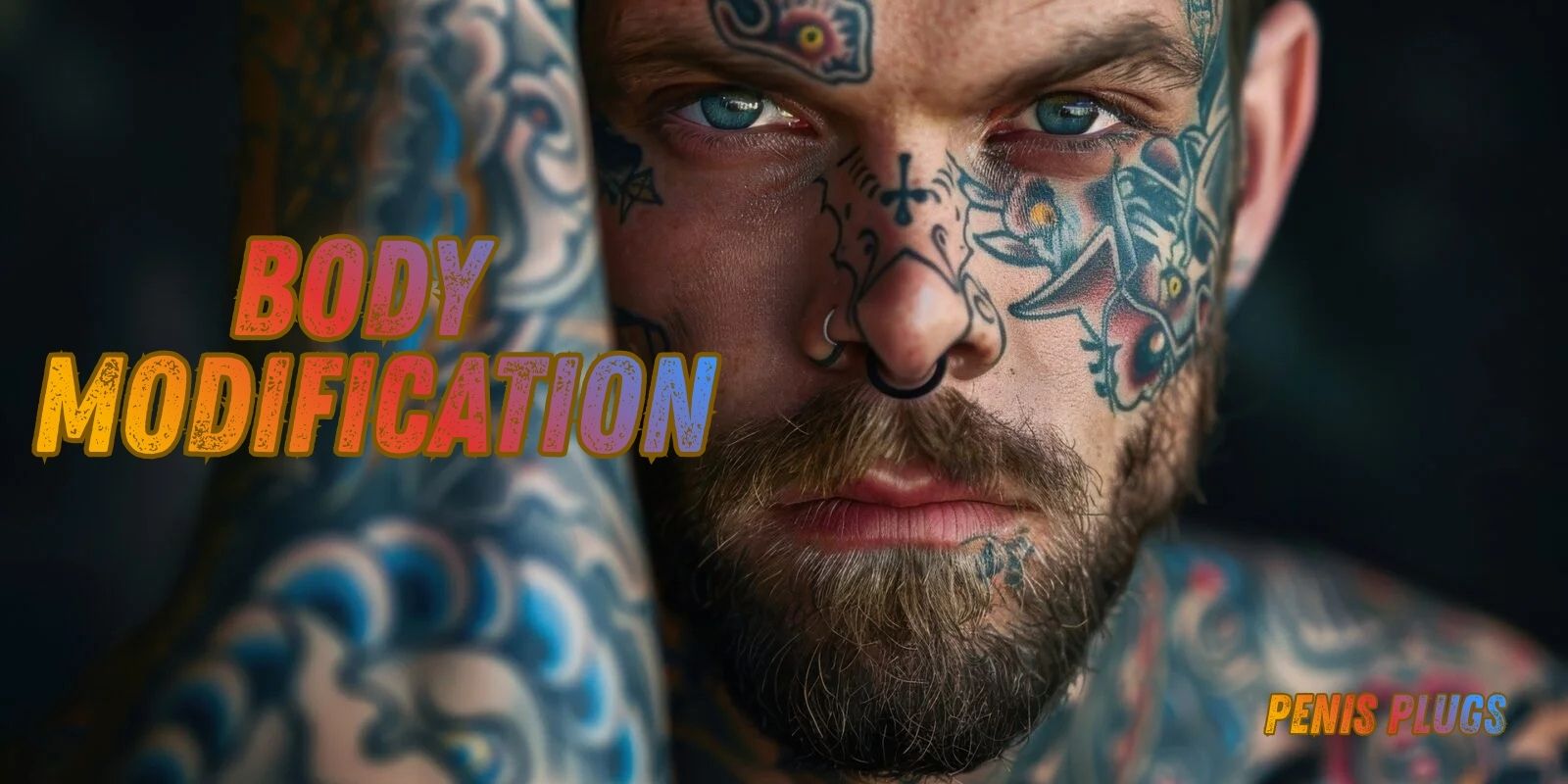
Body modification has always been one of the most powerful and personal ways people shape their identity. From ancient cultures marking rites of passage to modern individuals exploring tattoos, piercings, and temporary enhancers like plugs, modifying the body reflects curiosity, courage, and creativity. Today, body modification spans art, sexuality, self-expression, and even psychological healing, creating a rich world of choices for anyone exploring how they want to visually or sensually shape themselves.
Table of Contents
- What Is Body Modification?
- Historical Significance of Body Modification
- Modern Forms of Body Modification
- Body Modification and Sexual Expression
- Cultural Significance and Modern Subcultures
- Health Considerations and Safety Measures
- Psychological Aspects of Body Modification
- Body Modification as Art
- Making the Right Decision
- Legal and Ethical Considerations
- Aftercare and Long-Term Maintenance
- FAQs
- Your Body, Your Story
What Is Body Modification?
Body modification refers to any intentional change made to your physical appearance or structure. These transformations can be aesthetic, functional, cultural, or deeply personal. While many people think immediately of tattoos or ear piercings, the world of body modification is vast, including scarification, tongue splitting, implants, branding, and temporary enhancements like penis plugs used for sensation rather than permanent change.
Unlike temporary grooming practices, body modifications often hold long-lasting meaning. Many individuals choose them to express identity, honor life experiences, or embrace a form of beauty that feels authentic. Others pursue it for sexual exploration or to strengthen confidence in their own bodies. The meaning behind a modification often runs deeper than the art itself, becoming part of a person’s emotional or spiritual journey.
Body modification can also be functional. For example, genital piercings may enhance arousal or sensation, while certain implants can modify body shape to create desired aesthetics. Whether symbolic or sensory, body modification represents personal choice and autonomy over one’s body.
Historical Significance of Body Modification
Body modification has roots in nearly every ancient culture. Across regions, it served as a marker of strength, status, identity, or spiritual power. Tattoos were used to record lineage, honor battles, or signify adulthood. Scarification marked rites of passage in many African cultures. Piercings held spiritual symbolism across South Asia and early Indigenous cultures.
These practices were often deeply ceremonial. The Māori of New Zealand perfected tā moko, a symbolic facial tattoo that connected individuals to their ancestry. In Egypt, piercings indicated prestige, while in ancient India, genital piercings appear in early Kama Sutra references, highlighting their aesthetic and sexual purpose. Body modification was far more than decoration—it was communication, ritual, and identity.
Over time, these traditional practices merged with contemporary artistry. Today, the motivations have broadened but the spirit of meaning and self-expression remains. Whether someone chooses a fine-line tattoo or a bold piercing, they participate in an ancient human tradition reimagined for modern life.
Modern Forms of Body Modification
Modern body modification includes everything from mainstream tattoo culture to advanced surgical or aesthetic alterations. Tattoos remain the most widely recognized form, ranging from minimalist designs to full-body pieces that transform the skin into an evolving canvas. Scarification still exists within smaller communities, valued for its raised texture and profound visual symbolism.
Piercings have expanded far beyond earlobes. Nose, brow, nipple, and genital piercings each carry unique cultural and personal meaning. Genital piercings—including the Prince Albert or Princess Albertina—have grown in popularity due to their impact on sensation and aesthetic appeal. Many individuals who prefer temporary modifications turn to devices like plugs or wands rather than permanent piercings.
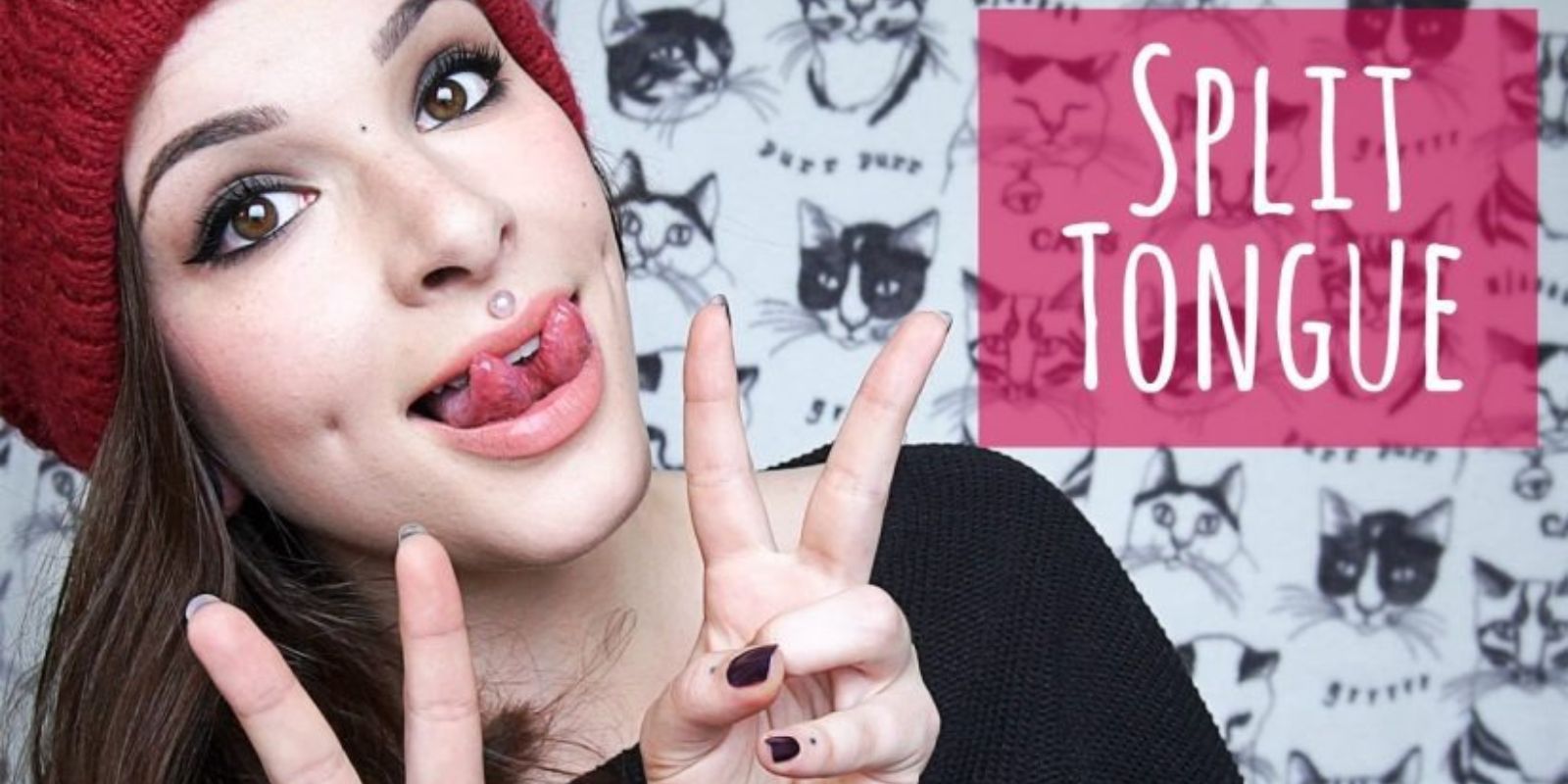
Extreme modification is also part of today’s landscape. Some people use implants beneath the skin to create horn-like effects, split tongues for serpent aesthetics, or modify ears into pointed shapes. These transformations represent art, fantasy, rebellion, or deep identity. While not mainstream, they form an important thread in the tapestry of body modification culture.
Body Modification and Sexual Expression
For many individuals, body modification and sexuality intersect in intimate and meaningful ways. Genital piercings can significantly enhance sensation, intensify orgasms, or alter the physical experience of sex. Piercings like the Prince Albert increase stimulation for both the wearer and their partner. Others explore non-permanent sexual modifications, such as plugs or urethral toys.
Temporary devices like penis plugs allow individuals to explore stretching, sensitivity, and psychological arousal without committing to a piercing. These tools also offer pathways for users fascinated by body modification but not ready for permanent change. Some people discover new layers of pleasure, while others use these devices to explore dominance, submission, or sensory expansion.
Sexual body modification builds a bridge between physical sensation and psychological play. It is a form of intimacy, creativity, and embodied exploration that allows people to rewrite their sexual story in a way that feels uniquely theirs. Resources like body-modification reviews help guide newcomers toward safe and informed exploration.
Cultural Significance and Modern Subcultures
Body modification remains tied to culture, identity, and belonging. In the modern world, many subcultures—including punk, BDSM, and the body-modification community—use tattoos, piercings, and extreme alterations as markers of identity and freedom. These choices often represent rebellion against restrictive norms or alignment with values like authenticity, resilience, and creative living.
Traditional practices, such as lip stretching or facial tattooing, continue in Indigenous communities, although often with renewed cultural pride. Meanwhile, global fascination with body modification has become a blend of ancient symbolism and modern aesthetics. Today’s artists often draw influence from history while creating completely new forms of artistic self-expression.
Western body-modification communities often host conventions, art showcases, and educational events that celebrate modification as an art, lifestyle, and cultural movement. Whether subtle or dramatic, each modification tells its own story.
Health Considerations and Safety Measures
While body modification offers profound personal meaning, safety must always come first. Any alteration to the body carries potential risks, including infection, allergic reactions, scarring, and nerve damage. Procedures involving genital areas or mucosal tissue require even more caution due to higher sensitivity and vulnerability.
Proper sterilization, high-quality materials, and professional practitioners dramatically reduce risks. Researching artists or piercers, reviewing portfolios, and understanding aftercare are essential steps. The best modification professionals follow protocols that align with modern safety guidelines such as those outlined by organizations like Sutter Health.
If you’re exploring temporary devices, ensure they are made from body-safe materials and sourced from reliable suppliers. Whether it’s jewellery, plugs, or specialized tools, quality determines both comfort and safety.
Psychological Aspects of Body Modification
The psychological motivations behind body modification are complex and beautiful. Some people use tattoos or piercings to reclaim autonomy after trauma, while others embrace modifications to symbolize transformation or personal milestones. For many, the act of modifying the body is deeply healing, allowing them to rewrite their relationship with their physical form.
Body modification can also reinforce identity. It gives individuals a visual language to express inner truths—whether cultural, emotional, sexual, or artistic. This sense of ownership over one’s appearance often contributes to improved self-esteem, confidence, and personal satisfaction.
However, body modification should always come from a grounded emotional place. Reflection, research, and personal clarity lead to the most meaningful results.
Body Modification as Art
Tattoos remain a defining form of artistic body modification. They blend cultural history with personal storytelling, transforming the skin into living artwork. Today’s tattoo styles range from traditional Japanese irezumi to minimalist symbolism, geometric pieces, and hyper-realistic portraiture. Each tattoo reflects the relationship between the wearer and the artist.
Scarification, body jewelry, implants, and even reshaped anatomy are increasingly viewed as art forms within subcultures and global creative spaces. Each method uses the human body as a canvas, creating permanent or semi-permanent works that challenge and expand ideas of beauty and design.
Art-based modification often follows ceremonial or emotional processes, making it one of the most intimate forms of creative expression.
Making the Right Decision
Choosing a body modification requires thoughtful preparation. Selecting the right professional is essential—someone who ensures sterilization, provides aftercare guidance, and understands the nuances of their craft. Reading reviews, checking credentials, and viewing portfolios can reveal an artist’s skill level and consistency.
Consider the permanence of your choices. Tattoos, piercings, and surgical modifications come with long-term implications. Reflecting on the emotional, financial, and physical impact helps ensure your decision aligns with your goals and values.
Temporary alternatives offer experimentation without long-term commitment. Tools like plugs, temporary tattoos, or magnetic jewellery allow users to explore imagery, sensation, or aesthetic changes before making a permanent decision.
Legal and Ethical Considerations
Body modification is regulated differently across regions. Many countries impose age restrictions or require parental consent for minors. Some jurisdictions also have rules regarding genital piercings or more extreme procedures. It’s essential to know local laws before scheduling any modification.
Ethically, informed consent, cultural sensitivity, and responsible practice are key principles. Cultural symbols such as Māori tā moko or Indigenous scarification should be approached with utmost respect. Professional practitioners must uphold hygienic, transparent, and honest standards.
Aftercare and Long-Term Maintenance
Proper aftercare determines the health, longevity, and comfort of body modifications. Tattoos require cleaning, moisturizing, and avoiding sun exposure during the healing process. Piercings should be cleaned with saline and handled minimally to avoid irritation or infection.
Long-term care may involve touch-ups for tattoos, jewelry upgrades for piercings, or periodic check-ins with modification professionals. Staying mindful of changes in your body helps ensure your modification remains safe and satisfying over time.
FAQs
Are penis plugs considered a form of body modification?
Penis plugs are not permanent body modifications, but repeated use can temporarily or gradually stretch the urethra. This makes them a temporary enhancement tool rather than a permanent modification.
Can I use penis plugs if I already have a genital piercing?
Many people do, but only after the piercing is fully healed. Combining plugs and piercings can be pleasurable, but both must be clean, body-safe, and used carefully.
Do penis plugs and piercings increase sexual pleasure?
For many users, yes. Genital piercings enhance stimulation, while plugs offer pressure, fullness, and psychological arousal that can intensify sexual play.
What are the biggest risks of body modification?
The most common risks include infection, allergic reaction, scarring, and improper healing. Choosing reputable professionals and following aftercare best practices significantly reduces these risks.
How do I choose the right professional for body modification?
Look for licensed practitioners with strong portfolios, positive reviews, and excellent hygiene standards. Never proceed with someone who cannot explain sterilization or aftercare procedures clearly.
Key Takeaways
- Body modification is a deeply personal expression of identity, sexuality, culture, and creativity.
- Modern modifications range from tattoos and piercings to temporary enhancers like plugs.
- Safety, professional guidance, and aftercare are essential to positive experiences.
- Cultural significance still shapes body modification worldwide.
- Temporary modifications allow exploration without long-term commitment.
Your Body, Your Story
Your body is your canvas, your landscape, and your story. Whether you choose tattoos that honor your past, piercings that deepen your sensuality, or temporary tools that let you explore without commitment, body modification empowers you to shape how you move through the world. Each choice becomes a chapter—bold, intimate, or transformative. Trust your curiosity, honor your desires, and know that every modification, permanent or temporary, is part of your evolving journey toward self-expression, pleasure, and authenticity.