

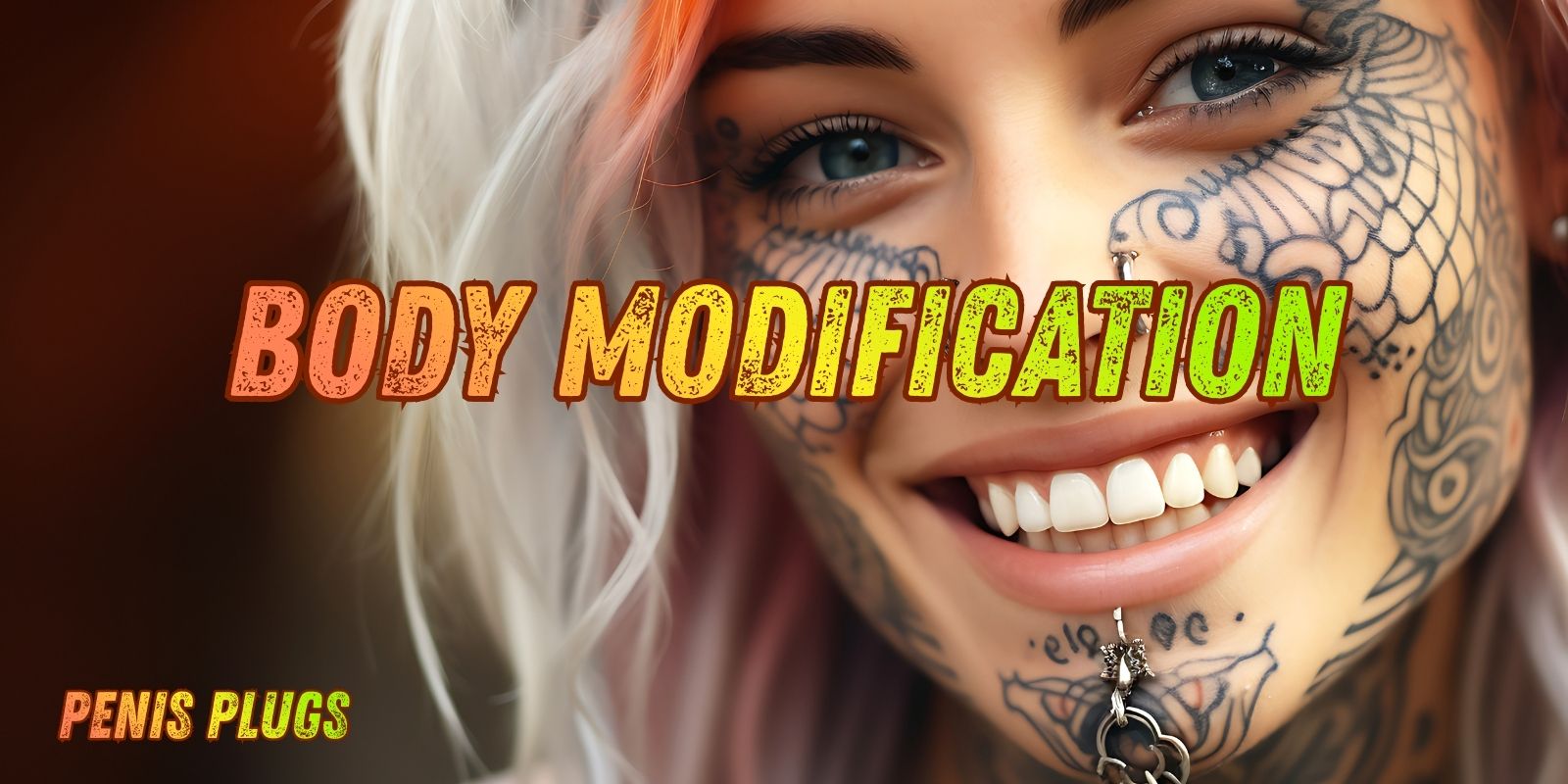
Body Modification and Urethral Stimulation: A Deep Personal Exploration
Body modification encompasses a wide array of practices that alter the human body for aesthetic, cultural, psychological, and deeply personal reasons. These changes range from familiar choices like piercings and tattoos to more intricate alterations such as scarification, implants, penis stretching, and urethral stimulation. Each practice carries its own significance and emotional weight, rooted in personal expression, cultural tradition, or the pursuit of pleasure and self-knowledge. As explored in guides like Body Modification: A Personal Exploration, these choices often reflect how people want to feel in their skin as much as how they want to look.
Table of Contents
- Understanding Body Modification
- The Scope of Body Modification
- Cultural Perspectives on Body Modification
- Penis Stretching Techniques
- Safe Practices for Penis Stretching
- Urethral Stretching for Pleasure
- Tools for Urethral Stretching
- Combining Body Modification and Sexual Pleasure
- Piercings and Sexual Pleasure
- Tattoos and Sexual Aesthetics
- The Role of Professional Guidance
- Emotional and Psychological Aspects
- The Ancient Practice of Body Modification
- The Complexity of Motivation
- The Psychology Behind Body Modification
- Expressing Individuality
- The Flair of Urethral Stimulation
- Linking Urethral Stimulation and Body Modification
- The Role of Attractiveness in Body Modification
- The Variety of Motivations
- Urethral Stretching and Aesthetics
- To Develop Physical Endurance
- The Role of Pain
- In Search of Spiritual Enlightenment
- Urethral Stimulation as Body Modification
- Key Takeaways
- FAQ
- Your Body, Your Story of Transformation

Understanding Body Modification
At its core, body modification involves deliberate changes to one’s physical appearance or function. These changes can be subtle, like a small ear piercing, or dramatic, like full-body tattoos or surgical implants. Definitions in resources such as the Body Modification overview on Wikipedia highlight how these practices span cosmetic, ritual, medical, and erotic contexts. The common thread is intentionality: people modify their bodies to express something meaningful about themselves.
Body modification may serve as a visual language where tattoos, piercings, and scarification carry stories, symbols, and memories. A tattoo can commemorate a turning point; a scarification pattern can mark a rite of passage. Even practices like penis stretching or urethral stimulation can reflect deeply personal journeys of identity, sexuality, and self-ownership. For many, their body becomes a canvas that reflects both their inner world and evolving experiences.
In modern contexts, body modification also intersects with medicine and psychology. Some people use modifications to reclaim their bodies after trauma, while others view them as tools for gender affirmation or personal empowerment. Research-based discussions, such as those in body modification topics on ScienceDirect, show how complex and meaningful these choices can be, far beyond simple fashion or rebellion.
The Scope of Body Modification
The spectrum of body modification is vast, ranging from widely accepted practices to niche or extreme forms of transformation. On one end, you have tattoos and ear piercings, which are common across cultures and age groups. On the other end, you find practices like tongue splitting, subdermal implants, extensive stretching, and urethral play, which tend to exist in smaller communities of enthusiasts. Each practice carries its own risks, histories, and social meanings, creating a diverse ecosystem of body art and experimentation.
Piercings, for example, can adorn almost any area of the body and may signify anything from beauty to rebellion. Tattoos can be delicate, minimalistic line work or large-scale pieces that cover entire limbs or torsos. Scarification involves intentional scarring to create raised patterns on the skin, often with deep cultural or personal symbolism. Implants and urethral stimulation occupy a more intimate space, frequently associated with erotic exploration or the desire to reshape the body’s contours and sensations.
Within this spectrum, the motivations and experiences vary widely. Some individuals treat body modification as a lifestyle or art form, pursuing increasingly complex pieces over many years. Others engage with one or two specific modifications that hold private meaning. The shared element is conscious change: the body is reshaped not by accident, but by choice, which gives body modification its emotional, ethical, and cultural weight.
Cultural Perspectives on Body Modification
Cultural attitudes toward body modification have always been fluid, shifting with time, place, and social norms. In many Western societies today, tattoos and piercings have moved from subcultural markers to mainstream style choices. What was once associated with sailors, punks, or outlaws now appears in offices, universities, and professional spaces, reflecting evolving perceptions of body art. This normalization has opened the door for broader conversations about bodily autonomy and self-expression.
In contrast, many Indigenous and traditional societies have long histories of body modification embedded in ritual and community life. Scarification, ritual tattooing, and ceremonial piercings might signify maturity, social status, clan membership, or spiritual devotion. Articles like discussions of African body modification highlight how these practices can symbolize identity, resilience, and belonging, rather than mere decoration or trend-following.
Among modern youth and online communities, body modification frequently becomes a platform for identity exploration. People use tattoos, piercings, stretching, and even urethral stimulation to challenge stigma, explore subcultures, and carve out a sense of self in a world that often pressures conformity. This cultural layering means a single piercing or tattoo can carry multiple meanings: fashion statement, spiritual symbol, sexual enhancement, or act of rebellion—all at once.
Penis Stretching Techniques
Penis stretching is a widely practiced form of body modification that appeals to those looking to enhance their confidence, aesthetics, or sexual experiences. Techniques range from simple manual exercises to structured routines using specialized devices, as explored in guides like Penis Stretching: Methods and Considerations. Manual approaches usually involve applying gentle traction along the shaft over a period of time, while mechanical devices like extenders or weights provide sustained tension for longer sessions.
People pursue penis stretching for different reasons. Some hope to increase length, while others focus on girth or overall shape. For many, perceived improvements in size can have a powerful impact on self-esteem and confidence in intimate scenarios, even when physical changes are modest. In this sense, the practice is as psychological as it is physical, blending body image, sexuality, and personal satisfaction.
For newcomers, starting with manual exercises is often recommended. These techniques allow you to learn how your body reacts to stretching, spot your limits, and build awareness before investing in devices. Over time, some people choose to incorporate extenders or weights into more advanced regimens, especially when they enjoy the structured, ritual-like nature of consistent practice.
Safe Practices for Penis Stretching
As with any body modification, safety must be a top priority when engaging in penis stretching. Overstretching, poor technique, or using low-quality equipment can lead to pain, bruising, or long-term damage. Understanding the principles of gradual progression and tissue adaptation is critical to avoiding harm. It is always better to move slowly and preserve sensitivity than to rush and risk injury.
When using devices such as extenders or weights, quality and fit are essential. Tools not designed for genital use or improvised devices can create uneven pressure and strain delicate structures. High-quality, purpose-built equipment distributes tension more evenly and often provides adjustment features that make sessions more comfortable. Sterilizing equipment that comes into contact with skin is also important, especially in sensitive areas.
Manual exercises benefit from warm-up and mindful technique. Applying a warm towel to the area helps increase blood flow and elasticity, reducing the risk of micro-tears. Movements should remain gentle and controlled, avoiding sudden jerks or excessive force. Beginners should keep sessions short at first and extend duration only as the body adapts. Consulting a healthcare professional or experienced body modification practitioner can provide guidance tailored to your anatomy and health history.
Urethral Stretching for Pleasure
Urethral stretching, though far less conventional than tattoos or piercings, has gained popularity among people exploring new avenues of sexual pleasure. The practice involves gradually increasing the diameter of objects inserted into the urethra—usually with medical-grade sounds or plugs. Over time, the urethral tissue adapts to these larger sizes, which can intensify sensations during play and make penetration feel uniquely satisfying.
For some, urethral stretching is about curiosity and the thrill of exploring unexplored parts of their anatomy. It allows them to experience sensations that traditional sexual activities rarely access, making pleasure feel deeper, more internal, and more introspective. Others find that the focus and deliberate pacing required by urethral play make it feel meditative, almost ritualistic, as they tune in closely to subtle bodily cues.
Because the urethra is delicate, this practice demands exceptional care. Beginners should always start with slim, smooth instruments made from non-porous materials like stainless steel. Generous amounts of sterile lubricant are essential to minimize friction and discomfort. Any resistance or sharp pain signals the need to pause or stop immediately. Hygiene is paramount: tools should be sterilized before and after each use, and sharing equipment is strongly discouraged to reduce infection risk.
Tools for Urethral Stretching
The tools used for urethral stretching determine both safety and the quality of sensation. Common instruments include urethral dilators, sounds, and plugs, each designed to expand the urethra gradually. Dilators are usually straight and smooth, made from medical-grade stainless steel or silicone, and come in stepped sizes to allow a slow, controlled progression. Sounds, such as Hegar or Pratt sounds, may feature curved shapes or gentle tapers that offer more targeted stimulation as users become experienced.
Urethral plugs are typically shorter and sometimes hollow, allowing urine to pass through or enabling longer-term wear during everyday activities. These plugs are often used once the urethra is conditioned to certain diameters, adding new layers of sensation during movement or arousal. For people exploring more decorative aspects, jewelry-style plugs or stimulators can blend aesthetics with function, especially when purchased from specialized shops like Penis Plugs.
Regardless of the tool, sterilization and lubrication are non-negotiable. Instruments should be thoroughly cleaned using medical-grade solutions or appropriate sterilization methods. A generous amount of sterile, water-based lubricant ensures smooth insertion and helps protect the urethral lining from micro-tears. Starting with the smallest size and increasing only when completely comfortable allows the body to adapt in a safe and pleasurable way.
Combining Body Modification and Sexual Pleasure
For many people, body modifications are more than visual enhancements—they become gateways into richer sexual experiences. Piercings, tattoos, scarification, and urethral play can all serve as focal points of arousal, heightening awareness of specific body parts and changing how touch feels. When body art intersects with erotic intention, it can deepen intimacy and create new pathways to pleasure.
Genital piercings, for instance, can increase stimulation by engaging nerve endings directly during intercourse or masturbation. Tattoos placed near erogenous zones may draw visual attention and encourage more focused touch. Urethral stretching and penile modifications can alter the way pressure, friction, and movement are felt, making once-familiar activities feel new again. These changes can be enhanced by thoughtful practices, such as using techniques from resources like Essential Foreplay Tips to Please Her, which emphasize communication and responsiveness.
Beyond physical sensation, body modification can boost sexual confidence. Feeling aligned with one’s chosen aesthetics or fascinated by new forms of pleasure can create a more relaxed, adventurous mindset in intimate situations. Partners who explore these spaces together often report a stronger sense of connection, as they co-create experiences that feel deeply personal and uniquely theirs.
Piercings and Sexual Pleasure
Genital piercings are often celebrated for their ability to enhance sexual pleasure while also serving as striking visual adornments. Different piercings offer different types of stimulation depending on placement and anatomy. The Prince Albert piercing, for example, passes through the urethra and exits beneath the glans, intensifying sensation for the wearer and potentially providing extra stimulation for a partner during penetration.
For people with vulvas, clitoral hood piercings can increase arousal by exposing the clitoris to more direct contact or by making it more reactive to subtle stimulation. Labia piercings may contribute to increased blood flow and added sensations when jewelry moves during walking, sex, or foreplay. These modifications can transform ordinary movements into small sparks of pleasure that build over time.
Jewelry choice is crucial for comfort and safety. High-quality materials such as surgical steel or titanium reduce the risk of allergic reactions and irritation. Rings and curved barbells are popular for many genital piercings, but the best option depends on anatomy and the specific piercing type. Proper aftercare, including saline rinses and avoiding harsh soaps, promotes smooth healing and minimizes the risk of infection, ensuring the piercing can be enjoyed long-term.
Tattoos and Sexual Aesthetics
Tattoos have long been a powerful medium of personal expression, but they also play an important role in sexual aesthetics. When placed on or near erogenous zones, tattoos can visually frame the body in ways that invite touch and exploration. Designs on the hips, thighs, chest, or lower back, for example, can become focal points during intimacy, combining visual appeal with the anticipation of contact.
For some, tattoos on more intimate areas like the groin, buttocks, or breasts carry a special charge. These designs may be seen only by trusted partners, turning them into private secrets or shared discoveries. The emotional meaning behind such tattoos can enrich sexual encounters, as partners engage not only with the body but with the stories and symbolism etched into the skin. Articles like histories of body modification and tattooing show how this interplay of art and intimacy has deep roots.
Tattoos can also reshape how individuals feel about their bodies. A design that highlights curves, scars, or previously disliked areas can transform insecurity into pride. This shift in perception often carries into the bedroom, where feeling more confident and embodied can make sexual experiences more relaxed, playful, and satisfying.
The Role of Professional Guidance
Whether you are considering a tattoo, piercing, penis stretching, or urethral play, professional guidance is vital for safe and satisfying results. Experienced artists and practitioners bring technical skills, knowledge of anatomy, and insight into healing processes that most people simply do not have. Their expertise helps you understand risks, set realistic expectations, and choose modifications that align with your goals and values.
A skilled tattoo artist can advise on design, placement, and style to create a piece that ages well and suits your body’s contours. Professional piercers know which jewelry shapes and materials work best for specific locations, and they can explain how to avoid common complications. For intimate practices like urethral stretching, consulting knowledgeable professionals or credible educational resources can prevent serious mistakes and make exploration more comfortable.
Professional guidance also supports the emotional side of body modification. Practitioners who listen carefully and respect your boundaries create an environment where you can ask questions openly and feel reassured about your choices. This partnership turns body modification from a risky experiment into a thoughtful, collaborative process of transformation.
Emotional and Psychological Aspects
Body modifications often carry deep emotional and psychological significance that goes far beyond their physical appearance. For many, modifications symbolize survival, transformation, or reclaiming power after difficult life experiences. A tattoo might commemorate a loved one or mark the moment someone chose to start over; a piercing might represent a step toward feeling more at home in one’s own skin.
Enhanced body image is another common psychological benefit. When people feel that their exterior finally reflects their inner self, their confidence often rises. This increased self-esteem can influence everything from social interactions to sexual experiences, fostering more openness, assertiveness, and joy. Genital modifications and urethral play can be especially powerful in this regard, as they impact areas associated with vulnerability, pleasure, and shame.
Body modification can also function as a coping mechanism or form of healing. For some individuals, the process of enduring discomfort, choosing their own marks, and controlling the outcome provides a sense of catharsis. The important thing is intention: reflecting on why a specific modification feels meaningful helps ensure the experience supports emotional well-being instead of masking unresolved pain.
The Ancient Practice of Body Modification
Body modification is one of humanity’s oldest and most universal practices. Across thousands of years and countless cultures, people have altered their bodies to signify belonging, invoke protection, or embody spiritual beliefs. Ancient Egyptians used tattoos not only as decoration but as symbols tied to religion and protection. In many African societies, scarification has long served to mark adulthood, social status, or tribal affiliation, forming a living archive of a person’s role in the community.
Indigenous peoples across the Americas practiced piercing, tattooing, and stretching using materials like bone, shell, and stone. Lip and ear plates, nose piercings, and body paint often held ceremonial importance, connecting individuals to the land, ancestors, or spiritual realms. Some cultures even engaged in cranial deformation or tooth modification to align the body with aesthetic or spiritual ideals.
While modern societies sometimes label extreme modifications as strange or pathological, history shows that these practices have always been woven into the fabric of human life. They were—and still are—ways of expressing beauty, faith, power, and belonging. Today’s body modification communities, including those interested in urethral play, stand on the shoulders of these ancient traditions, updating them with contemporary techniques and meanings.
The Complexity of Motivation
The motivations behind body modification are as diverse as the individuals who choose to alter their bodies. Some modifications are driven by aesthetics: a desire to look a certain way, fit a personal style, or embody a particular character or archetype. Others are rooted in psychological needs, such as reclaiming control over the body, symbolizing growth, or marking a life transition that words cannot fully capture.
More intense practices, including urethral stretching and advanced genital modifications, illustrate just how layered these motivations can be. What may appear extreme to an outsider often represents a deeply personal act of self-discovery, empowerment, or erotic exploration for the person involved. These acts can symbolize resilience, dedication, or a commitment to living honestly in one’s own desires.
Because motivations can overlap and evolve, the same modification may hold multiple meanings over time. A piercing that started as rebellion might later feel like a cherished part of someone’s identity. Recognizing this complexity helps avoid simplistic judgments and opens space for more nuanced conversations about agency, risk, and personal growth.
The Psychology Behind Body Modification
The psychology of body modification offers a fascinating window into why people pursue practices like urethral stretching. Many individuals describe a profound sense of fulfillment when their bodies reflect their inner selves more accurately. This alignment can be especially important for those who feel constrained by conventional standards or who have struggled with self-image in the past.
At a psychological level, body modification often represents agency. Choosing how your body looks and feels can counteract feelings of powerlessness, whether those stem from societal pressures, trauma, or internal conflict. Modifications like stretching, piercing, or urethral play let people push their own boundaries on their own terms, transforming anxiety or fear into curiosity and pride.
Urethral stretching, in particular, combines physical intensity with mental focus. It requires patience, discipline, and careful attention to bodily feedback. For some, this process becomes a way of cultivating inner strength and emotional resilience, mirroring other practices—like endurance sports or meditation—that test and expand perceived limits.
Expressing Individuality
Body modification has always been a powerful vehicle for expressing individuality. From subtle nose studs to dramatic subdermal implants, people use their bodies as living declarations of who they are and what they value. These choices signal everything from creative flair to spiritual beliefs, making the body a dynamic art piece that evolves over time.
Some individuals are drawn to modifications that create shock or challenge expectations, such as horn implants, split tongues, or large-gauge ear stretching. Others prefer deeply symbolic designs—tattoos that encode personal milestones, memorials, or spiritual icons. In each case, the modification serves as a form of self-authorship, an assertion that the person’s body is truly their own.
This drive to stand out or stand true can foster strong communities among those who share similar aesthetics or practices. People who feel out of place in mainstream culture often find belonging among others who also use body modification to express their uniqueness, creating networks of mutual support and understanding.
The Flair of Urethral Stimulation
Among the many practices in body modification, urethral stimulation stands out as especially intimate and private. Unlike tattoos or facial piercings, it is not visible to the casual observer; its impact is felt primarily by the person experiencing it and, in some cases, trusted partners. This hidden quality gives urethral play a unique kind of flair—quiet, discreet, but deeply powerful.
For those who explore it, urethral stimulation is not just about physical sensation, though the internal pleasure can be intense. It also carries symbolic meaning: a willingness to engage with parts of the body that many people never think about erotically, and a readiness to step outside conventional boundaries. Choosing to explore this practice can feel like a bold affirmation of sexual autonomy and curiosity.
The dual nature of urethral stimulation—secret yet radical—makes it especially meaningful. On the surface, nothing may appear different, but the person knows they’ve opened a door into a realm of sensation and self-awareness that most never enter. That contrast can be exhilarating, strengthening a sense of identity and confidence.
Linking Urethral Stimulation and Body Modification
At their core, urethral stimulation and body modification share common foundations: self-expression, exploration of limits, and the desire to live more fully in one’s body. While tattoos and piercings broadcast identity outward, urethral play operates inward, reshaping sensation rather than appearance. Yet both can be equally transformative, shifting how a person relates to themselves and their desires.
These practices challenge social norms in different but complementary ways. Visible modifications may invite questions or judgments, while hidden ones like urethral play confront internalized taboos around sexuality and the body. Engaging with either or both can help individuals unpack beliefs about shame, pleasure, and what is “acceptable,” replacing inherited scripts with chosen values.
Ultimately, whether someone is stretching their earlobes, adorning their skin with ink, or exploring the sensations of urethral toys, they are participating in the same broader project: claiming ownership over their body and the experiences they want it to hold. This unity links diverse forms of modification into a single, ongoing story of personal evolution.
The Role of Attractiveness in Body Modification
While not everyone seeks body modification to appear more attractive, for many people sexual appeal is a significant motivation—even if it remains partially unspoken. Piercings in the tongue, nipples, or genitals often draw attention to intimate areas and can be perceived as alluring or provocative. These adornments can enhance both the wearer’s sense of desirability and their partner’s visual and tactile experience.
Body modifications can also help individuals reclaim their own sense of attractiveness on their terms. Rather than conforming to narrow beauty standards, they can sculpt their appearance in ways that feel authentic and empowering. A tattoo that highlights certain curves, or a piercing chosen for sensual placement, can transform how someone experiences their body during sex and in everyday life.
In this way, attractiveness becomes less about meeting external expectations and more about feeling aligned, confident, and self-possessed. When people feel desirable in their own eyes, their energy often shifts, which can naturally deepen chemistry and connection with others.
The Variety of Motivations
The reasons people pursue body modification are numerous and overlapping. Cultural identity, spiritual meaning, aesthetics, sexual function, and personal empowerment can all play roles in a single modification. Some individuals undergo plastic surgery to appear younger or fit conventional ideals, while others choose procedures precisely to deviate from mainstream aesthetics, embracing age, eccentricity, or fantasy-inspired looks.
Stretching practices, whether involving earlobes, urethras, or other body parts, highlight how motivations can mix. For some, stretching is explicitly erotic, tied to exploration of sensation and capacity. For others, it represents endurance, dedication, or membership in a particular subculture. Activities like fisting or advanced urethral stretching sit at the intersection of physical challenge, sexual experimentation, and psychological exploration.
Recognizing this variety reminds us that there is rarely a single “correct” reason for body modification. Each person’s combination of motives is unique, and those motives may shift over time as they grow, heal, and redefine their relationship with their body.
Urethral Stretching and Aesthetics
Urethral stretching is often viewed primarily in terms of sensation, but for some, it carries aesthetic appeal as well. A widened urethral opening or the use of decorative urethral jewelry can subtly alter how the penis looks, contributing to a sense of uniqueness or enhanced presence. Some people find that these visual changes make them feel more powerful, erotic, or aligned with their personal ideals of beauty.
For others, urethral stretching supports functional goals, such as accommodating specific toys or exploring complex fantasies that involve multiple forms of penetration. These goals may be deeply personal and not easily understood by outsiders, but they are meaningful to the individuals pursuing them. In this way, urethral stretching, like many modifications, is as much about internal satisfaction as external appearance.
Jewelry-style urethral stimulators adorned with small beads or accents reflect the fusion of art and function. They serve as wearable body art that also enhances sensation, blurring the line between piercing, tool, and ornament. This fusion reinforces the idea that aesthetic and erotic motivations are often intertwined rather than separate.
To Develop Physical Endurance
Body modification frequently intersects with the desire to test and expand physical endurance. This is especially evident in BDSM and fetish communities, where practices like impact play, long-term bondage, or intense stretching are intentionally challenging. Urethral stimulation and stretching are usually not overtly painful for most practitioners, but they still require focus, patience, and a willingness to lean into unfamiliar sensations.
The gradual process of stretching the urethra demands consistency and attentive self-monitoring. Over time, participants often feel a sense of achievement as their tolerance grows and their skills improve. This experience of overcoming initial discomfort can foster pride and a deeper trust in one’s body and capacity to adapt.
Beyond the physical, these practices develop mental resilience. Learning to stay grounded, listen to body signals, and make responsible choices under intense stimulation builds self-knowledge that can extend into other parts of life. The pursuit of endurance becomes a way of exploring where one’s limits truly lie—and when it feels right to gently push them.
The Role of Pain
Pain is an unavoidable element of many body modifications, from simple piercings to elaborate tattoos and subdermal implants. Because most professionals cannot provide full anesthesia, clients must accept some level of discomfort as part of the process. For many, however, this pain is not purely negative. It can feel purposeful, empowering, or even cathartic, marking the modification as something earned rather than passively received.
Some individuals embrace pain as an essential component of their journey. The body’s release of endorphins and adrenaline during painful experiences can create a natural high, blending relief, euphoria, and emotional intensity. In communities that celebrate “pain pleasure” dynamics, this aspect of modification is openly acknowledged and valued.
Others may dislike the pain yet accept it as the cost of transformation. They focus on the final result—a healed piercing, a completed tattoo, a successfully stretched urethra—as a reward for the temporary hardship. Regardless of one’s attitude toward pain, approaching it with informed consent, safe practices, and supportive professionals makes the experience more manageable and meaningful.
In Search of Spiritual Enlightenment
For some people, body modification moves into the realm of spiritual exploration. The act of tolerating pain, enduring long procedures, or engaging in focused practices like urethral stimulation can generate a sense of unity between body, mind, and something greater. Platforms like Tao Experience discuss how bodily challenges can become pathways to heightened awareness, mirroring traditions in which fasting, pilgrimage, or ritual scarification serve spiritual purposes.
Accounts such as “Why I Used a Penis Plug” highlight how urethral play can demand extreme concentration, presence, and emotional vulnerability. For those who approach it with a spiritual lens, the practice becomes more than erotic exploration; it transforms into a meditative ritual that reveals new perspectives on pleasure, power, and selfhood. Pain or intensity, when framed intentionally, becomes a teacher rather than an enemy.
Similar themes arise in practices like suspension, firewalking, or extended endurance scenes in BDSM. In each case, the body becomes a vehicle for transcendence, challenging ordinary limits and inviting participants to emerge with a renewed sense of clarity and connection. When urethral stimulation is woven into this tapestry, it becomes one more way to explore the sacred potential of embodied experience.
Urethral Stimulation as Body Modification
Urethral stimulation occupies a unique position within the world of body modification. It is not typically visible like tattoos or piercings, yet it can reshape how the body feels and responds in profound ways. For some, it is primarily a sexual practice that enhances pleasure and expands their erotic repertoire. For others, it is a tool for self-exploration, endurance, or spiritual inquiry, integrating physical sensation with emotional and mental growth.
Because it engages a sensitive and intimate part of the body, urethral play often requires deeper trust—of oneself and of any partner involved. This trust can make the experience feel especially powerful. Choosing to explore urethral stimulation can symbolize a commitment to living authentically in one’s desires, even when they fall outside mainstream norms.
Whether approached for aesthetics, sensation, endurance, or personal meaning, urethral stimulation showcases the broader truth of body modification: altering the body is rarely just about how it looks. It is about how it feels, what it signifies, and how it helps us write and rewrite the story of who we are.
Key Takeaways
- Body modification spans tattoos, piercings, stretching, and urethral play, blending aesthetics, culture, and personal meaning.
- Practices like penis stretching and urethral stimulation can enhance pleasure, confidence, and body awareness when done safely.
- Cultural and historical traditions show that body modification has long served as a language of identity, status, and spirituality.
- Professional guidance, proper tools, and careful hygiene are essential for reducing risks and supporting healthy exploration.
- Emotional, psychological, and even spiritual motivations often drive body modification, turning the body into a living story of transformation.
FAQ – Body Modification
What is body modification?
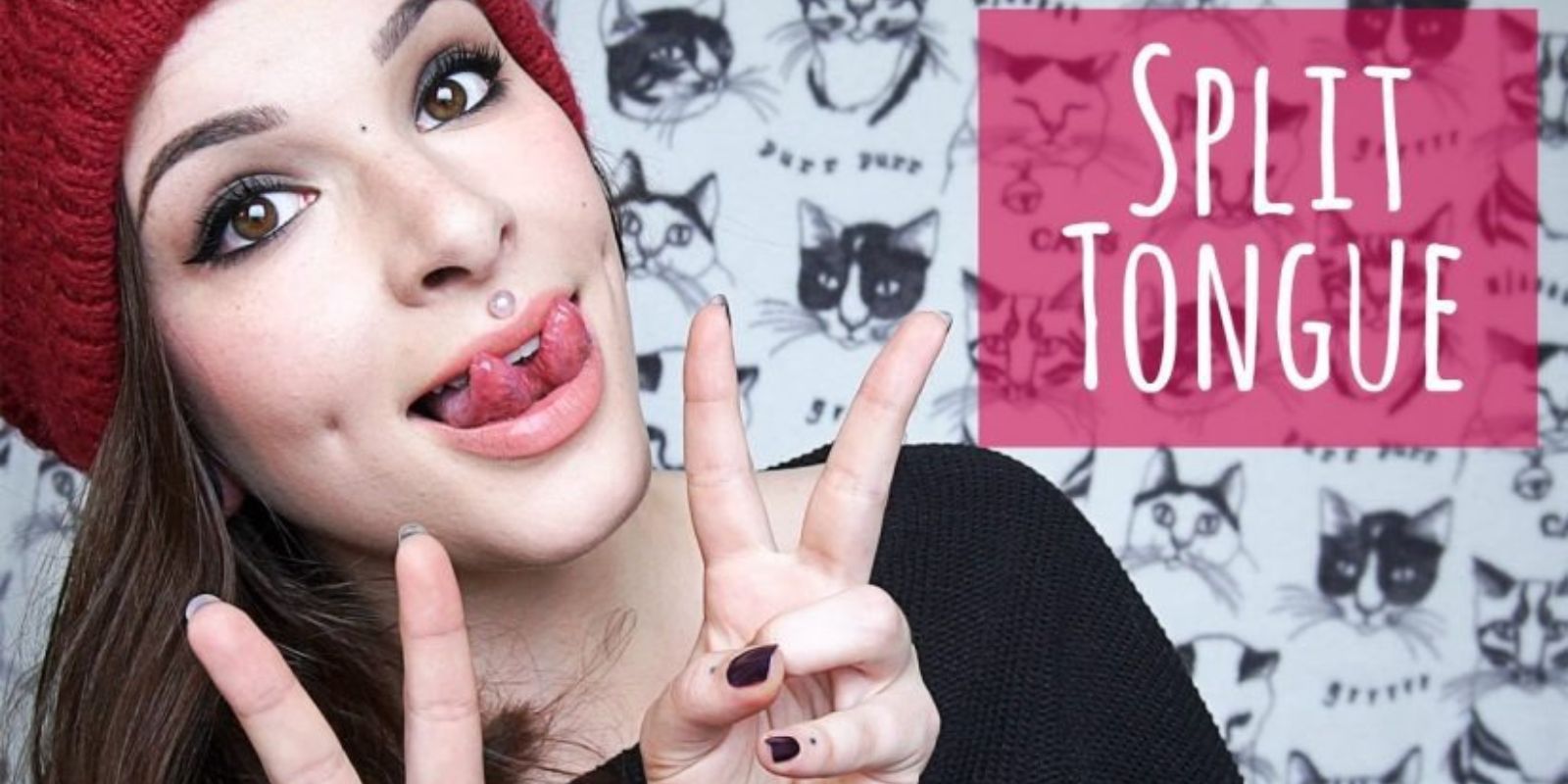
Body modification refers to intentionally altering the body’s appearance or function for cultural, aesthetic, sexual, or personal reasons. Common examples include tattoos, piercings, scarification, and implants, but it also encompasses more specialized practices like penis stretching, urethral stimulation, and tongue splitting. The key element is choice: these changes are pursued deliberately to express or explore something meaningful.
Why do people engage in body modification?
People modify their bodies for many reasons, including self-expression, cultural or spiritual traditions, sexual exploration, and a desire to feel more at home in their own skin. Some see modifications as art, others as markers of life events or identity. For a few, practices like urethral stretching also provide a way to push personal limits and experience new forms of pleasure or insight.
Is body modification safe?
Safety depends on the specific procedure, the quality of tools and materials, the skill of the professional, and the aftercare. Choosing licensed practitioners, using sterile equipment, and following aftercare guidelines reduces risks such as infection, scarring, or nerve damage. More extreme modifications and intimate practices like urethral play carry higher risks and require extra education, caution, and medical awareness.
What are the most common forms of body modification?
The most common forms include tattoos, ear and body piercings, and ear stretching. Many people also explore scarification, dermal anchors, and cosmetic procedures. In intimate contexts, genital piercings, pearling, and targeted stretching are increasingly recognized, even if they remain less visible in everyday life.
Can body modifications be reversed?
Some modifications can be partially or fully reversed, while others are effectively permanent. Tattoos may be lightened or removed with laser treatments, and certain piercings can close over time or be surgically revised. Scarification, subdermal implants, and extensive stretching are much harder to undo and often leave lasting marks. Because of this, careful reflection and planning are important before pursuing any major body modification.
Your Body, Your Story of Transformation
Body modification, from tattoos and piercings to urethral stimulation and stretching, is ultimately about authorship—the power to write your own story on and through your body. Each mark, adornment, or new sensation can be a chapter in that story, reflecting where you have been, what you value, and how you wish to live. When you approach these choices with intention, knowledge, and care, your body becomes not just something you inhabit, but something you consciously co-create.
Whether you feel drawn to subtle tattoos, bold piercings, or intimate practices like urethral stretching, remember that your desires and boundaries matter. Educating yourself, seeking professional guidance, and listening closely to your body allow exploration to remain safe, meaningful, and deeply personal. In doing so, you honor both the ancient human impulse to modify the body and your own modern journey toward authenticity.
Ultimately, body modification is less about fitting a particular image and more about embracing your unique path. By treating your body as a living canvas—one that can hold art, sensation, memory, and transformation—you create a powerful reminder that your life and your pleasure belong to you.