

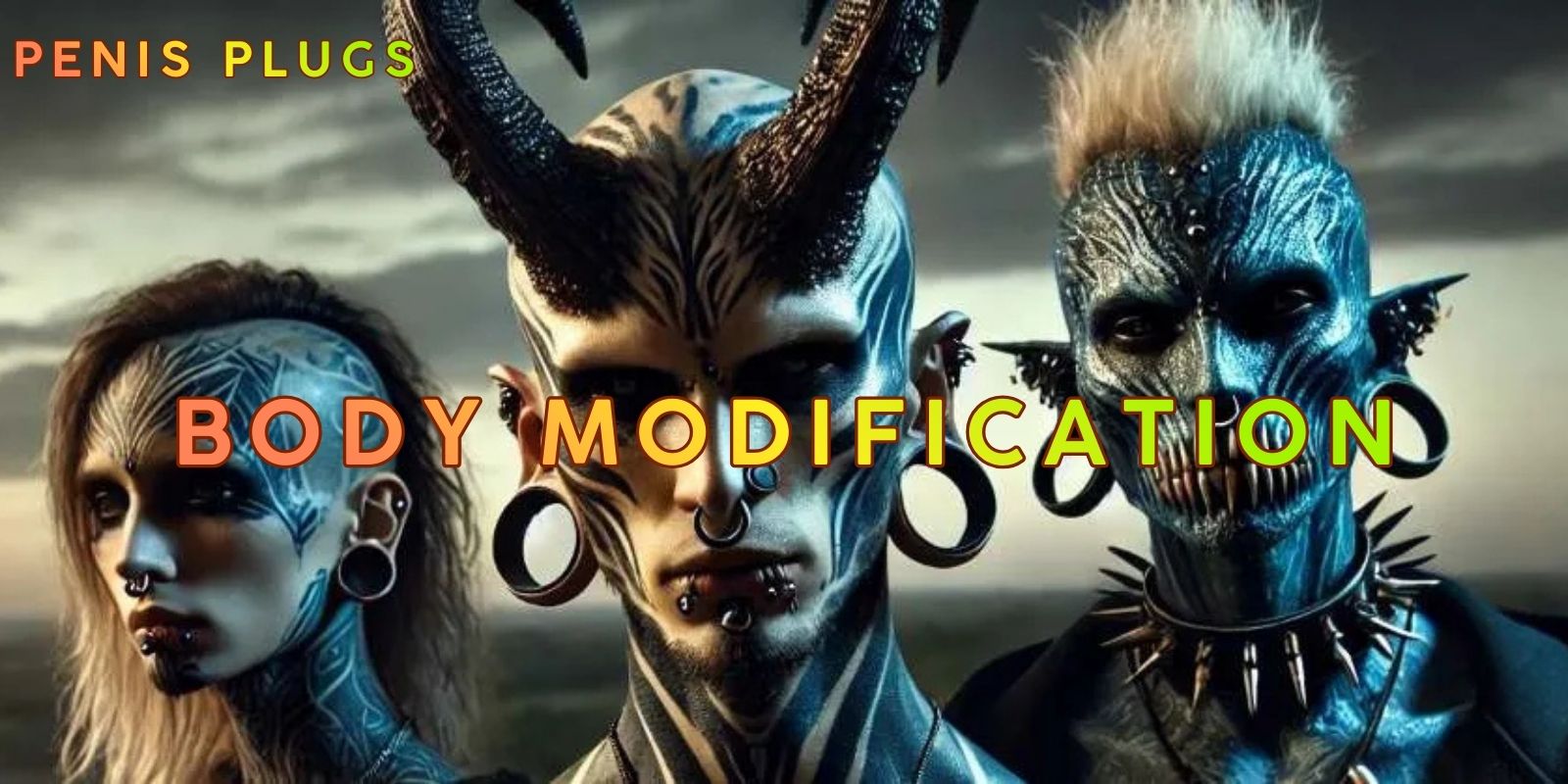
Body Modification: A Deep Dive Into Human Expression
Body modification is far more than a trend or cosmetic choice—it’s a language, a ritual, a way for people to shape their identity and project their beliefs onto the canvas of their skin. From ancient practices grounded in culture and spirituality to modern expressions of individuality, body modification reflects how humans continuously reshape themselves to honor stories, emotions, and personal evolution. This expansive guide explores the history, cultural meaning, artistry, motivations, and future of body modification while grounding every section in safety and informed decision-making.
Table Of Contents – Body Modification
- Body Modification: A Window Into Human Expression
- A Historical Journey Through Body Modification
- Body Modification Across Cultures: A Global Tradition
- Body-Modification and Aesthetics
- Body Modification as Self-Expression
- The Modern Primitive Movement
- Health Risks & Safe Practices
- The Role of Body Modification in Today’s Society
- The Future of Body Modification
- Top 20 Body Modifications and How They’re Done
- Key Takeaways
- FAQ – Body Modification
- Your Body, Your Voice: Shaping Identity Through Art
Body Modification: A Window Into Human Expression
Body modification has served as a powerful method of communication for thousands of years. Whether it is a subtle tattoo or a dramatic transformation, altering the body becomes a way for individuals to narrate their identity, honor their heritage, or celebrate personal milestones. Even today, practices like genital modification, piercing, or aesthetic enhancements mirror ancient impulses to personalize the body.
The motivations behind body-modification vary from self-esteem and individuality to ritualistic or cultural belonging. Some use body modification to reclaim ownership after trauma, while others use it to enhance sensations or aesthetics—similar to how people use genital practices such as penis stretching or stimulation techniques discussed in foreplay guides. These choices highlight how bodily agency influences both intimate and personal identity.
Whether the modification is small or significant, each mark reflects autonomy. Humans have always used their bodies as storytelling tools, and body modification remains one of the most intimate, long-lasting chapters in that narrative.
A Historical Journey Through Body Modification
Body modification’s deep roots reach thousands of years into human history. Societies like the Mayans reshaped skulls to signify prestige, while African tribes engaged in tooth filing to signal adulthood or beauty. These modifications weren’t mere decoration—they were complex social markers tied to status, bravery, and spiritual identity.
Tattooing is among the oldest forms of body art, dating back over 5,000 years. Ötzi the Iceman’s tattoos suggest therapeutic or ritualistic intent. Polynesian cultures developed entirely new artistic languages through tattooing, using the skin as a sacred map of lineage and accomplishment. These designs were not random: each stroke told a story of heritage, achievement, or personal transformation.
Scarification, branding, and ritualistic body shaping illustrate how body modification has always symbolized belonging, maturity, or supernatural protection. These ancient practices paved the way for modern interpretations that combine aesthetics with deeply personal meaning.
Body Modification Across Cultures: A Global Tradition
Different cultures have shaped body modification in their own unique ways. In Hindu traditions, nose piercings symbolize marriage, beauty, and cultural devotion. Henna tattooing in South Asia represents joy and prosperity, especially during weddings. These traditions connect body art to celebration and spiritual identity.
The Kayan women of Myanmar practice neck elongation, a modification steeped in heritage and pride. In various African tribes, lip plates, scarification, and ear stretching serve as indicators of social status, beauty, and adulthood. Each modification holds cultural meaning that transcends mere aesthetics.
Western cultures, too, have embraced both traditional and modern interpretations. Maori tattoo art, though rooted in tribal significance, has inspired global admiration and adaptation. This cultural exchange demonstrates how body-modification bridges ancient symbolism with contemporary self-expression.
Body Modification and Aesthetics: The Ever-Changing Idea of Beauty
Beauty standards have always influenced body-modification. In some African societies, lip plates or elongated necks symbolize beauty, strength, or maturity. In ancient China, foot binding was considered the pinnacle of elegance. These examples show how aesthetic ideals shape bodies in culturally specific ways.
Today, cosmetic procedures such as rhinoplasty, breast augmentation, or laser sculpting reflect modern aesthetic desires. Meanwhile, tattoos, piercings, and dermal implants allow individuals to craft a visual identity through art and adornment. Whether subtle or bold, every modification reflects evolving beauty standards.
The rise of aesthetic enhancement also parallels interests in bodily optimization, echoed in sexual wellness communities exploring practices like boosting sperm volume naturally. These areas demonstrate how beauty, sexuality, and body-modification often intersect in both personal and cultural narratives.
Body Modification as a Form of Self-Expression
In the modern world, body modification has become a mainstream form of self-expression. Tattoos may honor loved ones or commemorate experiences. Piercings add character, while scarification can represent deeply emotional or spiritual meaning. Each modification expresses an internal story through external form.
People increasingly use body-modification to reclaim their autonomy. In a society full of beauty standards and judgment, altering the body becomes a declaration of identity. Modifications say, “This is who I am,” even when that identity differs from conventional expectations.
Social media amplifies this expressive power. People share their modifications proudly, inspiring others to embrace their own transformations. This visibility has helped normalize practices that were once considered fringe or rebellious.
The Modern Primitive Movement: Bridging Ancient Traditions and Modern Identity
The modern primitive movement blends ancient practices with contemporary ideology. Participants engage in rituals like suspension, branding, scarification, or tribal-inspired tattooing. For them, modification is not merely aesthetic—it is spiritual, raw, transformative, and intimate.
This movement emerged in response to industrialized culture and digital overstimulation. Many who embrace it seek deeper meaning through physical challenges, ritualistic pain, or altered states of consciousness. These experiences create a sense of grounding and authenticity.
Though inspired by indigenous practices, the movement reinterprets ancient rituals through a modern lens. The result is a powerful fusion of heritage, embodiment, and personal mythology.
Body Modification and Health Risks: Staying Safe While Expressing Yourself
Despite its beauty and significance, body-modification carries risks. Infections, allergic reactions, scarring, and nerve damage can occur without proper sterilization and skilled practitioners. Choosing licensed professionals who follow medical-grade hygiene standards is essential.
Bloodborne illnesses like hepatitis or HIV can result from improper equipment. This underscores the importance of researching practitioners thoroughly and ensuring all tools are sterile. High-quality materials such as surgical steel, titanium, or medical-grade silicone reduce the risk of complications.
Aftercare is just as crucial as the procedure itself. Cleanliness, wound care, and patience prevent long-term problems. Whether healing a fresh tattoo or a dermal implant, following professional aftercare guidelines ensures the best possible outcome.
The Role of Body Modification in Today’s Society
Body modification is more mainstream than ever but still carries social stigma in certain environments. Tattoos and piercings are generally accepted, yet some workplaces view large or visible modifications negatively. This tension reveals how society continues to negotiate between individuality and conformity.
For many, body-modification represents empowerment. People use their bodies to reclaim identity, reject beauty norms, or express cultural pride. Modifications also help preserve traditions in diaspora communities, connecting people to their heritage through symbolic practices.
Today’s body modification culture is a vibrant mix of fashion, art, spirituality, sexuality, and personal narrative—reflecting a world increasingly open to diverse expressions of identity.
The Future of Body Modification
Technological innovation is reshaping the future of body-modification. Subdermal implants, LED tattoos, bioluminescent pigments, and RFID bio-hacking already blur the line between human and machine. Cosmetic enhancements continue evolving, merging beauty with biotechnology.
In the coming decades, we may see tattoos that shift color, cybernetic implants that augment strength or senses, and genetically influenced aesthetic modifications. These innovations will ignite debates about ethics, accessibility, and identity.
The evolution of body-modification will challenge society to reconsider what it means to express ourselves physically. The body may become not just a canvas—but a customizable, interactive interface.
Top 20 Body Modifications and How They’re Done
The world of body modification includes many well-known and lesser-known practices. Tattoos involve injecting ink into the dermis to create permanent art. Piercings insert jewelry through precise openings made with sterile needles, ranging from ears to more sensitive areas.
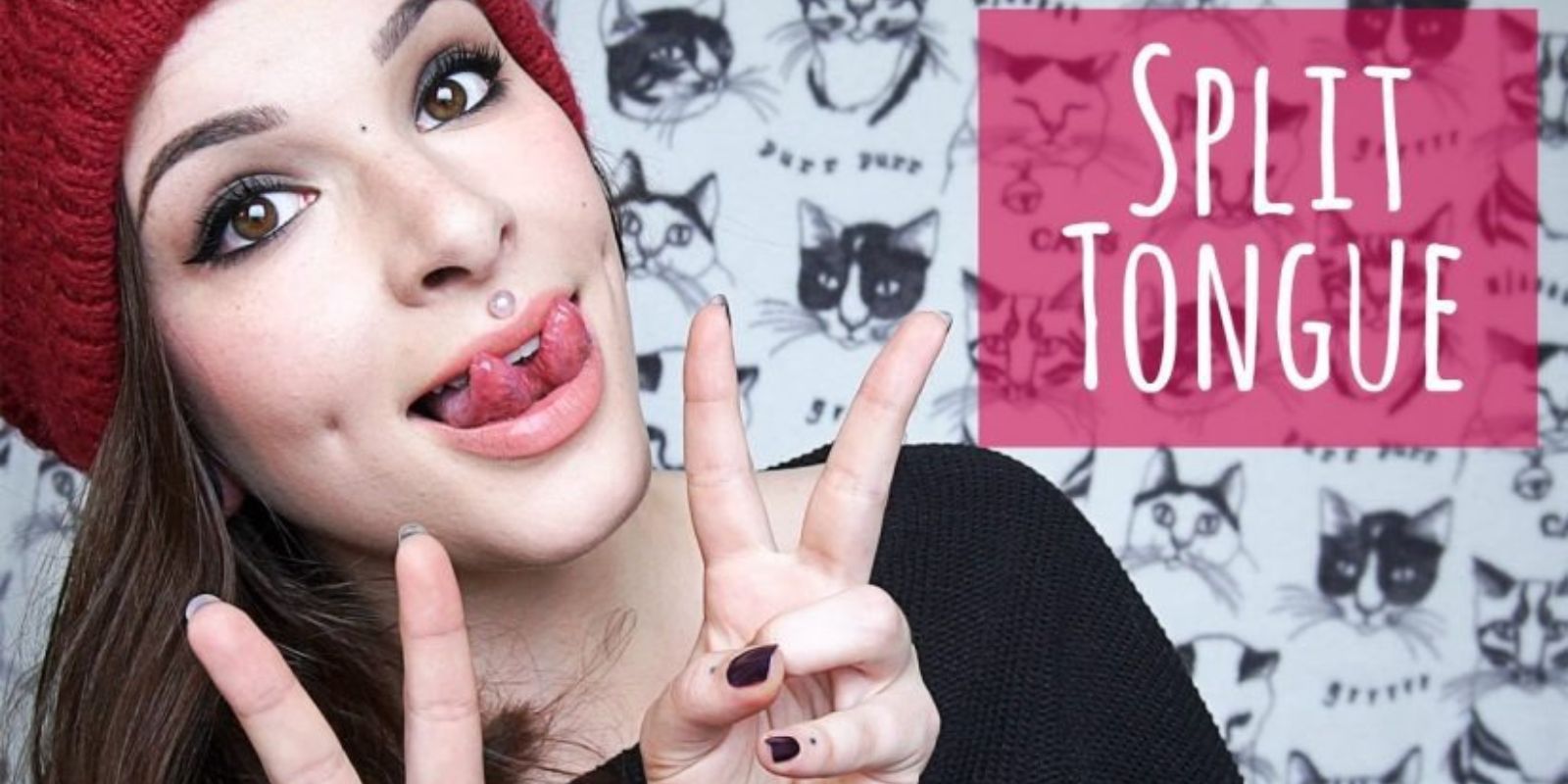
Scarification uses cutting or branding to create raised designs with deep symbolic meaning. Subdermal implants add three-dimensional shapes under the skin, while tongue splitting creates a forked appearance through surgical precision. Many modifications, such as stretched earlobes or lip plates, use gradual expansion over months or years.
Advanced modifications include dermal anchors, magnetic implants, eyeball tattoos, corset piercings, and even beading (pearling) in genital areas. Each technique requires expertise, sterile conditions, and thorough aftercare to ensure safety.
Key Takeaways
- Body-modification is deeply tied to culture, identity, sexuality, and personal expression.
- Practices range from tattoos and piercings to advanced implants and bio-hacking innovations.
- Safety must always come first: sterilization, high-quality materials, and professional practitioners.
- Cultural traditions continue to influence modern modification trends and personal choices.
- The future of body modification will merge technology, art, and biology in unprecedented ways.
FAQ – Body Modification
Is body modification safe?
Yes—when performed by trained professionals using sterile techniques. Infections and complications arise mostly from poor hygiene or inexperienced practitioners.
Why do people choose body modification?
People modify their bodies for cultural, spiritual, aesthetic, sexual, symbolic, or personal reasons. Each modification carries meaning unique to the individual.
Are body modifications reversible?
Some can be reversed, such as piercings or implants, while tattoos and scarification are more permanent. Tattoo removal exists but is costly and imperfect.
How do cultural views influence body modification?
Cultures differ greatly. Some see modification as sacred; others view it as rebellious. Modern society increasingly embraces diverse forms of body art.
What are the main risks of body modification?
Risks include infection, scarring, nerve damage, allergic reactions, and social stigma. Choosing a licensed professional reduces most medical concerns.
Your Body, Your Voice: Shaping Identity Through Art
Body-modification is ultimately an act of authorship—you choose the symbols, the stories, and the transformations that define your journey. From ancient rituals to modern aesthetic enhancements, modifying the body remains one of humanity’s most intimate forms of expression. Whether you embrace subtle tattoos or bold implants, your body becomes a living archive of meaning, memory, and identity.
By approaching modification with curiosity, respect, and informed decisions, you honor both the history of this art form and your personal evolution. Your body is your canvas—and every choice is a chapter in your story.